




Image

How to Transition Your Cat to New Food

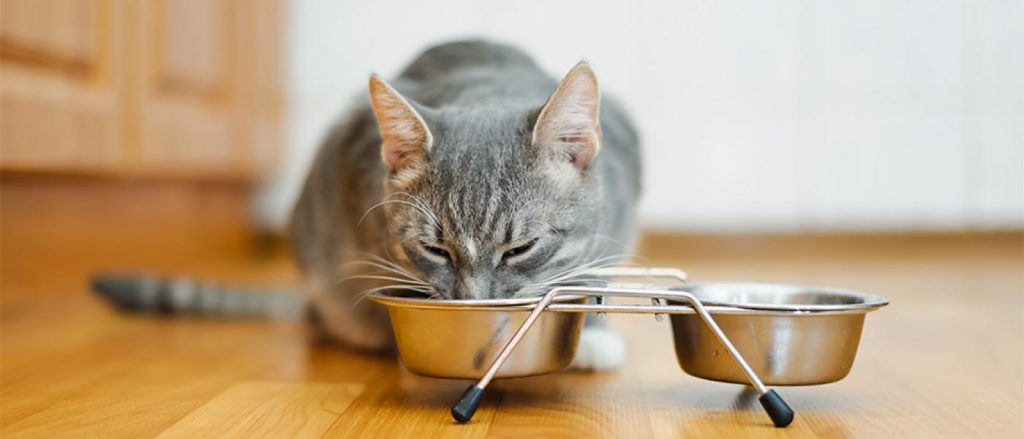
Cats are known as being picky eaters. If you want to switch your feline to a new food, we’ve got some tricks to get picky cats to convert.
Upgrading your kitty’s diet is a great way to ensure she’s getting all of the nutrition she needs to both look and feel great. And as more pet parents become informed about the ingredients found in commercial pet foods, they want higher quality wet and dry meals for their beloved furry companions.   
If you’re ready to transition your cat to a new diet, just beware that doing so could lead to digestive upset, so taking things slowly is the key. In this way, your kitty’s body can adjust to the new food without symptoms like diarrhea getting in the way.
Here’s what you need to know to make the switch:
Transition over the Course of 7-10 Days
A good tip to follow is to transition your kitty from her old diet to her new diet gradually over the course of about 7 to 10 days. Mixing the two foods gradually will give your cat a taste of the new food without shocking her system.
Begin with a mix of 25% of your cat’s new food and 75% of her old diet. Feed this for about two to three days. Slowly, increase the amount of new food so that you have a 50/50 mix for your cat to enjoy. After two to three days of half and half, you can move on to a mix of 75% of the new food and 25% of the old diet. Keep that up for another 2 or 3 days before you switch over to 100% of the new food.
Digestive problems like constipation, diarrhea, vomiting, or gas could occur at any point during this transition. If that happens, just slow down on the time between mixes to give your kitty more time to adjust to the new food – instead of two to three days per mixes, stretch it out to four to six days. Remember, every pet is different. But if problems persist, it’s a good idea to contact your veterinarian.
Trick a Picky Kitty
Cats are creatures of habit, so dealing with a picky kitty is common. They like what they like and they aren’t big fans of change, especially when it comes to their diet. But there are things that you can do to entice your pet to eat a new food:
• Drizzle some tuna juice over the food
• Add a moist treat, like WellnessTruFood Complements, to the top of your cat’s dry food or canned food
• Add some freeze-dried treats in a flavor your kitty can’t resist, like salmon or turkey
• Sprinkle some dry food on top of wet food
• Try a different texture, as your cat might prefer meaty morsels over a pate, as an example
New and Improved Wellness Options
Are you ready to feed your pet a higher quality canned or dry food? Wellness has renovated and re-launched their existing dry and wet food lines for felines, making them better than ever.
Here’s what your cat is in for:
• Expect new recipes, renovated recipes, and new packaging for Wellness Complete Health and Wellness CORE lines
• Pet parents will have the option of either grain-free or wholesome grains
• Wellness recipes will be carrageenan-free and free of meat byproducts, fillers, and artificial flavors
• Dry foods will feature a new kibble size and shape that’s more attractive to cats, while wet foods will have additional forms and textures for even the pickiest eaters
• An even lower price, making high quality pet food more accessible for people of all budgets
• “100% Catisfaction Guaranteed”: Wellness will replace any cans that your picky cats won’t eat.
With Wellness’s new, healthier cat food, you’ll likely find her begging for more. The key is to get her there gradually, and maybe even being a little clever when it comes to convincing her that a new food will be better than her old one. And once she gets a taste of Wellness’s new and improved line, she’ll definitely become a feline foodie!

 

join our community

Dog Park Etiquette: Playing by the Unwritten Rules

Dog park

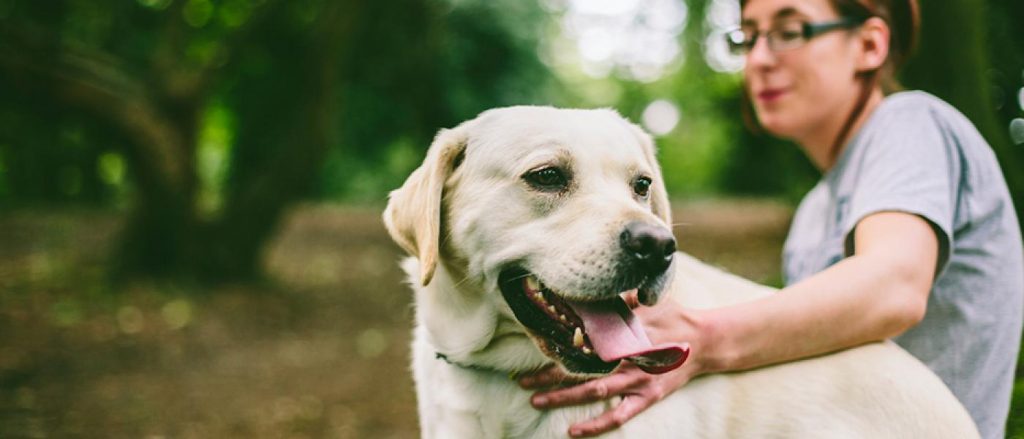
Dog parks – the social scene of the dog world. Taking your dog to a dog park is a great addition to their exercise routine and a great way for your dog to maintain healthy socialization skills. However, there is proper etiquette to be considered when visiting the dog park. If you want the other dogs to wag their tails in approval and the other dog parents to greet you with a smile, then there are certain rules that should be followed – here is a list of ‘Dos & Don’ts’ to follow at the dog park.

5 Dog Park Do(s)
Here are some tips that are guaranteed to help you and your dog both win the popularity vote at the dog park.

dog park 2

-Scoop the poop.
This one is first on the list because it is THAT important. If you aren’t cleaning up after your dog poops in the park then you are probably on someone else’s list – a blacklist. If you really want to earn some brownie points, pick up any other dog’s messes that have been left behind.
-Exercise first, dog park second.
Taking your dog to the dog park should not be their primary source of exercise – it should supplement an already existing exercise routine. In fact, the proper thing to do is to exercise your dog before taking him to the dog park, in order to release any pent up energy that could affect his behavior at the park.
-Supervise your dog while at the park.
Let’s be honest – we’ve all seen the dog owner at the park who sits on the bench and stares at their smartphone while their dog terrorizes all of the other dogs at the park. Don’t be this person.
-Leave the kids at home.
We know that your kids probably love their dog and a trip to the dog park probably sounds like a dream come true to them, but the dog park isn’t really a place for small children. There is a lot of heightened interaction going on between dogs at the park and not all dogs are crazy about kids.
-Be cautious about handing out treats.
If you are using treats for training purposes while at the park, be sure that there are no other dogs in close proximity to you. The best advice would be to skip the treats until after you have left the park to avoid any unnecessary confrontations and don’t ever give treats out to a dog other than your own. Does your dog like Wellness treats?
5 Dog Park Don’t(s)
It is important to always promote peaceful and pleasant interactions at the dog park so that everyone can enjoy their visit to the park. There are certain things that you just shouldn’t do while at the park with your dog.
DON’T bring a sick or unvaccinated dog to the park.
If your dog is sick, not up to date on vaccinations, or if you are unsure of your dog’s current health status, leave them at home until you know that your dog isn’t capable of spreading disease at the park.
DON’T allow your dog to bully other dogs.
If you notice that your dog is causing problems or is being the dog park bully, remove them from the park immediately.
DON’T bring your BLT to the dog park.
Never bring human food into the dog park – we shouldn’t have to explain the problems that this could create.
DON’T bring a dog to the park who doesn’t respond to verbal commands.
Does your dog come when they are called? Do they respond to your commands? These are basic training skills that your dog should have before turning them loose at the dog park. First things first.
DON’T keep your dog on a leash in a ‘no-leash’ dog park.
It doesn’t really make much sense to take your dog to the dog park if you plan to keep them on a leash the entire time. Plus, it can present safety issues for other dogs, especially if you are using a retractable leash.
Are you ready for your next trip to the dog park? Brush up on your dog body language signals so that you know how to recognize signs of trouble. A little dog park etiquette can go a long way to making the dog park a happy place for both pets and owners!

Serving a Combo Diet of Wet and Dry Food

There are advantages to feeding a cat a combination of both wet and dry food ensuring your feline enjoys the benefits both meal plans have to offer.
• Dry food is very convenient to serve, especially if you cat is a nibbler and returns to her food bowl at regular intervals throughout the day.
• Kibble also has a “cleaning action” on the teeth helping to prevent a tartar buildup and maintaining good dental hygiene.
• Wet food recipes contain moisture, which is essential to overall nutritional health. Many cats don’t drink enough!
• Wet food is great if you need to “hide” medication that she may resist swallowing.
• As cats age, and possibly have dental issues, wet food is easier to eat and to digest.
Introducing Wet Food
It’s a good idea to initially offer wet food as a treat in a saucer or small plate. A heaped teaspoon is sufficient. You can also consider adding a teaspoon of wet food as a “topping” to her dry food.
Placing it in a microwave for about 3-5 seconds will enhance the aroma and may entice a reluctant cat to try the treat serving. (Make sure it’s only lukewarm when serving and not hot.)
Choose a recipe that contains the same protein that your cat is currently eating in a dry formula. Cats, just like people enjoy different tastes as well as different textures. Both the Wellness Complete Health Grain-Free wet options and the recipes available in the CORE Grain-Free recipes offer a huge selection of both different protein flavors as well as textures options.

The Wellness Complete Grain-Free line-up includes Pâtés, Gravies as well as Minced, Morsels and Sliced texture options. The CORE Grain-Free selection includes convenient little bowls offering combos such as beef pâté and diced chicken liver in gravy, pouches of shredded proteins such as chicken served in a light broth. Also there are cans of chunky cuts of beef and chicken, as well as shredded tuna and salmon combos and pâté recipes. It’s simply a matter of experimenting. She may even find one of our Complete Health wet variety packs to be appealing as we’ve themed them based on flavors, such as Seafood Pâté. Cats will quickly demonstrate their favorites in terms of both taste and texture.
There is no need to worry if she turns up her nose at certain options because under the 100% Catisfaction Guarantee, the remainder of an opened product can be returned, along with the receipt, to the store where it was purchased for a full refund.
Introducing Dry Food
Once again, introduce the kibble in the form of a treat to a cat that is used to a wet food-only diet. You can simply put down 7 to 10 kibble pieces in a little dish or place them in a treat toy for her to discover for herself. Similarly, you can add some kibble as a topping to her wet food dinner. Once she accepts this mealtime addition, slowly increase the amount of dry food offered. 

Working Out The Portion Sizes For A Combo Diet

It important to work out the right portions of both the wet food and the dry food you are serving daily to ensure that you are not overfeeding. The totally daily allowance depends on your cat’s weight. Wellness wet food offer guidelines on combining wet and dry food portions to ensure your cat is being fed the correct amount. Alternatively, you can consult with your veterinarian who is familiar with your cat’s diet and nutritional needs, or, contact Wellness to seek advice from a knowledgeable staff member.

A cat on a combo diet will often eat the wet food first. If you are worried about leaving wet food down in case it brings ants or, begins to perish from standing, consider serving it first thing in the morning or, alternatively, at a time when you are home, can monitor the meal and pick up the dish the moment she’s licked it clean. Then leave only the dry food out for intermittent nibbling.

Even with a combo diet, always make sure that there is plenty of fresh water available as it’s essential for your cat’s overall good health.

join our community

Benefits of Crate Training Your Dog

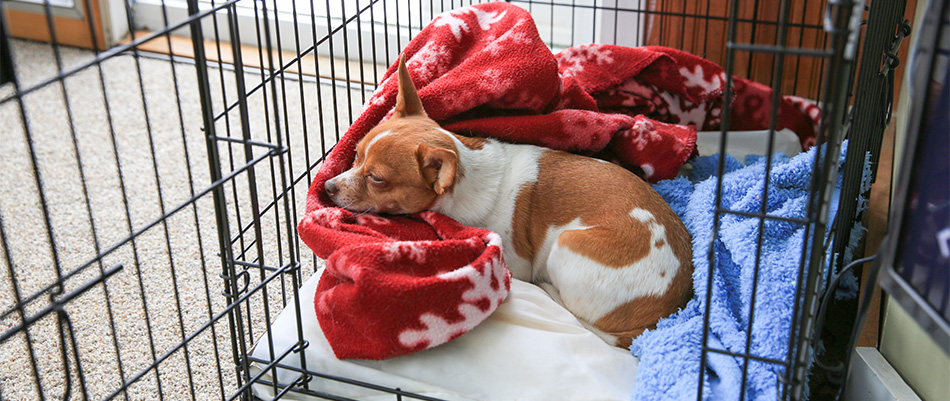
Many people refuse to crate or kennel-train their dogs because they feel the confinement is cruel. However, a crate or kennel can give dogs a sense of security. Crate training done properly is also a highly effective management system that can be a lifesaver for dog owners. Like any training method, crating can be abused, but using a crate for appropriate time periods is helpful with a variety of important goals, including house training, preventing destructive behavior, and teaching a dog to settle and relax.
The Crate Can Become a Safe Haven for Your Dog
If a dog is taught through positive reinforcement to love the crate, the crate then becomes his own private safe haven, much like a bedroom for a child. The crate or kennel is somewhere that your dog can go and not be bothered, which is the perfect solution when your dog is tired or nervous. Being that dogs are natural den animals, they often will take to a crate very easily with the proper training.
Crate Training Benefits
What can crate training do for you? Plenty. The benefits of crate training extend to both you and your dog.

  • A crate that is sized properly encourages a dog’s instinct not to mess where he sleeps, helping your dog control his bladder – and preventing you from cleaning up after them. So, basically the crate is like a super duper house training tool.
  • Using a crate is a great way to keep your dog from getting into mischief when you can’t supervise them directly. If you are busy cooking, doing some work from home, or any other time that your attention is elsewhere, it can be the perfect time for your dog to spend some down time in their crate.
  • Speaking of down time, crate training is a good way to train your dog to expect and enjoy time alone and conditions relaxed behavior. Once your dog is properly trained, he will come to appreciate the time spent in the crate.

Choosing the Right Crate
There are many varieties of crates out there to choose from and it can be a bit overwhelming at first trying to decide on which crate is right for your dog. The most common crate varieties are wire crates, plastic crates, and fabric crates.

  • Fabric crates are recommended more for travel use than for long-term, unsupervised confinement.
  • The best crates to have in your home are usually the plastic or wire crates. These crates are sturdier and are best for long-term confinement.

The other thing to consider when choosing a crate for your dog is the size of the crate. Some people are inclined to choose a large crate to give their dog lots of room. However, if you pick a crate that is too large in size, your dog may use a portion of the crate as a toilet.

  • You want to pick a crate that is just large enough for your dog to stand up, make a complete turn, and lay back down comfortably.

Make the Crate a Happy Place
A dog should always be introduced to a crate gradually. Forcing your dog too quickly into crate training can backfire. The ultimate goal is to make the crate a happy place for your dog. So, how can you do that?

  • Start placing some of your dog’s favorite items into the crate, leaving the door open for him to come in and out. For example, toss a treat into the crate and allow your dog to go in and get the treat at his own pace.
  • Place your dog’s favorite toys or toy basket into the crate and allow your dog to go in to retrieve the toys.
  • At feeding time, place your dog’s food bowl in the crate and allow him to eat in his new safe haven.

Be consistent in doing these things and allowing your dog to become acclimated to his crate at his own pace. It is also a good idea to place a favorite bed or blanket into the crate to make things more familiar to him. Once you get your dog properly crate trained, you will wonder how you {or your dog} ever lived without it. Don’t take our word for it – start the crate training process with your dog today!

How to Foster a Pet

Fostering a dog or cat can be a very rewarding experience. Many times, animal shelters rely on foster pet parents in emergency rescue situations. For example, a foster pet parent can prevent an animal from being euthanized by temporarily housing the pet until a safe option becomes available. They can help an animal recover from a sickness by providing special, individualized care or they can help keep a close eye on a litter of kittens until they are old enough to be adopted. There are many reasons to consider fostering pets and just like adopting, it’s a good idea to think things through and ask a few questions before you bring home that wriggling, furry bundle of happiness.

  1. What are the characteristics of the foster animal? Are you able to accommodate the animal’s size and medical/behavioral issues?
  2. Will the pet get along with other people/pets in your household?
  3. How long will you be fostering the pet? It’s best to compare expectations with the animal shelter before you agree to foster to make sure you’re on the same page.
  4. Will the pet need training during the time you are fostering him/her? Many shelters rely on foster parents to assist with training or working with problem behaviors in order to help the pet become more adoptable.
  5. Will the animal shelter be providing/financing veterinary care while you’re fostering?
  6. Will the shelter/rescue group provide you with pet food while you’re fostering?
  7. How will the dog or cat meet potential adopters? Will you attend adoption events or interact with the potential adopters in any way? The shelter may request that you take photos of the pet and/or provide a written description of the pet and its behavior so the shelter can post to Petfinder.com or to a social media page.
  8. Will you have a say in who adopts the foster pet? Many animal shelters allow pet foster parents to be part of the decision on which adoptive family to pair the pet with.
  9. If you fall in love, will you be able to adopt the pet?

When you foster animals, you free up space for the shelter or rescue to save another life. Plus, you’re providing important socialization for the pet to live a long and happy life. Fostering can be rewarding, yet, you’ll want to ensure you and the shelter have matching expectations of what fostering means.


Why Adopt a Senior Dog?

When you adopt a Senior dog, you get all the benefits of a sweet, doggie companion without any of the headaches of potty training, chewing and mess-making so common to puppydom. Your senior adoptee will likely be well-mannered and will make an easy transition to your home.

adopt a senior dog month

In honor of Senior Dog Month, Wellness shares three good reasons to consider saving a senior pup:

1-      Their maturity makes them easy to train and they’ll settle in quickly.

Senior dogs have years of experience living with humans and many of them can easily adapt to a new environment—including one with kids and other pets. Many of them are already housebroken so you can skip that phase.

2-      They like to lounge – A senior dog will not require the hours of exercise a puppy needs. A few short walks a day and your senior is good. The rest of the time, he’ll be happy to lounge in a comfy spot.

3-      What you see is what you get – You already know how large the dog is and the temperament is easy to size up. There will be no surprises later.

Soon to be empty nesters, those with a less active lifestyle and dog lovers who’d simply enjoy having a dog lay by their feet can all benefit from adopting a dog entering his or her golden years.

At What Age are Dogs Seniors?

Veterinarians say 7 years old is the standard, however, there is a bit of leeway depending on the breed/size of the dog. Smaller dogs are considered “senior” at an older age while large breeds could be “seniors” at age 6.

Why Do Great Dogs End Up at the Shelter?

Pet shelter staff say many of the reasons pets end up there have nothing to do with the dog. Rather, dogs sometimes end up at the shelter due to a life change experienced by the pet owner. Pet owners may move or take another job and they don’t think they have time for the dog anymore. Pet guardians may also become unable to care for a pet as they get older or fall ill. There are multiple reasons a dog may be up for adoption that have nothing to do with the dog’s disposition.

shelter dog

Many senior dogs have a lot of life and love to give. Check out these adorable senior dogs, up for adoption.

Going Grain Free for Your Dog

Going Grain Free for your Dog

Going Grain Free for Your Dog: Why and How to Transition to Grain-Free Pet Food
Grain free pet foods are becoming increasingly more popular. Do you have a pup that’s always itchy? Or maybe your cat is experiencing digestive issues? Have you recently started eliminating grains from your diet and want to have your pets to follow the same healthy lifestyle? There are many reasons why as a pet parent, you might choose to try a grain free food.

Wellness Grain Free 

If You’re Considering Going Grain-Free:
Because grain free foods don’t contain any fillers, you’ll notice the first ingredient will be either chicken, salmon, beef or another meat, poultry or fish protein source. This is why grain free foods are higher in protein than traditional pet foods. While many pets thrive on being fed a higher-protein recipe, some pets may have digestive upset with the increase in protein. That’s why we always recommend discussing any diet changes with your veterinarian first.
And not all grain free pet foods are created equal. It’s important that a grain free food be well balanced, offering an accurate protein to fat and carbohydrates ratio. This will ensure high digestibility and optimum nutrient absorption. Wellness grain free recipes are always complete and balanced, so they’re great for everyday feeding. We also include guaranteed levels of probiotics to help further support digestive health.
A good grain free recipe should also have natural sources of essential fatty acids like flaxseeds and other fruits and veggies as grain-free carbohydrate sources.

Wellness CORE grain free dry food


Here are some of the benefits you may see in your pet after going grain free:
-Healthy energy levels
-Soft, smooth skin and coat
-Maintenance or improvement of lean muscle mass
-Regular, fully-formed stools
-Potential clearing of food allergy symptoms (if pet has grain sensitivity)

Wellness CORE dog

How to Transition
Look for a reputable company that includes fresh fruits and veggies in their grain free recipes. (Like Wellness!) Some of our favorite grain free ingredients include superfoods like sweet potatoes and blueberries which provide antioxidant sources.
Make it a gradual transition – don’t suddenly switch your pet’s food as that can cause tummy aches. Instead, feed less of one food and replace it with another – over the course of at least a week.
See how your pet responds. Most people find that their dog’s stools are harder and denser when they switch to a grain free food. That makes clean up easier.
Wellness has a large variety of grain free dog and cat foods and treats, including our new Wellness Complete Health Grain Free dry dog food. For protein-rich nutrition, there’s also Wellness CORE dog and cat foods.
Do you have any questions about selecting a grain free recipe for your pet? Contact our knowledgeable Consumer Affairs team who can speak with you and make a recommendation: 800.225.0904, Mon-Fri, 8am-5pm ET.

Take Your Dog to Work Day is June 26th

Take Your Dog to Work Day

Take Your Dog to Work is celebrated each year on the Friday following Father’s Day. The holiday was started by Pet Sitters International in 1999, so this year marks the holiday’s 17th anniversary. The original purpose of the holiday was to “celebrate the great companions dog make and encourage their adoptions.” Take Your Dog to Work Day has become a huge hit and some big companies have even started allowing dogs in the workplace on a regular basis. Why, you ask? We’re glad you did.

Reasons to Take Your Dog to Work
While some people may think that taking your dog to work is a bit far-fetched, others are jumping on board and would argue that having their dog in the workplace actually creates a more relaxed, productive environment. Here are some reasons why taking your dog to work can be beneficial –

  1. Bringing your dog to work promotes a stress-free environment. Studies have shown that spending time with your dog can alleviate stress and work is one of the biggest contributors to our stress levels – makes complete sense, right? Bring your dog to work, keep you more relaxed, and improve the quality of your work.
  2. Spread the love and promote adoption. After all, this is one of the reasons that Take Your Dog to Work Day was started – to promote the adoption of other homeless pets. By bringing your dog to work with you, co-workers who may not have a dog, get the chance to witness the bond that you share with your dog. Hopefully this will lead to inspiring someone to adopt a dog of their own.
  3. Boost the overall morale of the office environment. Dogs make us happy – they are just special that way. Allowing dogs in the workplace improves the overall morale of everyone in the office. It creates a lighter, happier environment that people enjoy being in. Wouldn’t it be nice to feel as happy at work as you do when you are at home with your dog?
  4. It’s not all about making us happier – your dog will be happier too. Whether you crate your dog or not while you are at work, have you ever noticed that your dog is overly excited when you get home? This is partly because they are happy to see you, but also a result of pent up energy from being left alone all day. Even if you only took your dog to work a few days out of the week, your dog would surely appreciate it and you might even notice some positive changes in their behavior.
  5. Create a more inviting atmosphere and give people a reason to come back. If you are trying to bring people in, having a dog in your work establishment creates a laid back, homey atmosphere. People who visit your business will feel more at home and they will remember the experience and be more likely to visit your establishment again – especially the dog lovers. Again, this also promotes adoption, which is always a positive thing.

Kim Maya

Who’s Doing It?
Allowing pets in the workplace is becoming more and more popular. There are a lot of big name companies that now have pet-friendly policies, such as Amazon, Google, Proctor & Gamble and Etsy, just to name a few. Some companies even provide perks that cater specifically to the pets, such as –

  • Benefit packages that include pet insurance
  • Websites that include photos of office dogs
  • Daily group dog walks for employees and their dogs
  • Dog friendly water fountains
  • Designated play areas for pets
  • Dog food and treats provided by the company

Group


Here at Wellness, we celebrate Take Your Dog to Work Day every year. It’s always a lot of fun to bring in our pets!

Poison Prevention Safety Tips for Pets


Attention pet owners! March is Poison Prevention Awareness Month, which means that if you’ve never inspected your home or aren’t aware of the things that could be poisonous to your pet, now is the time to educate yourself! There are so many poisonous substances that can be harmful and even fatal to our pets, so it is important to know what’s in your home and also to be able to recognize the signs and symptoms that your pet may be in danger. So, in honor of Poison Prevention Awareness Month, we are offering up some tips!

Poison Prevention Month

Inspect!
Regular inspections are the best way to ensure that your home is free of elements that may be toxic to your pet. Let’s go room to room and talk about some things that could be harmful to your pet.
Kitchen
The kitchen is one of the most important rooms when it comes to poison prevention. People often make the mistake of assuming that certain table foods are safe for their pet, but this is a dangerous way of thinking. The following foods have been shown to be potentially harmful to pets –

  • Chocolate – especially dark chocolate, coffee, caffeine
  • Raisons and grapes
  • Yeast dough
  • Macadamia nuts
  • Raw or undercooked meat
  • Table salt
  • Garlic, onion and chives
  • Avocado

These are just some of the most common foods that can be hazardous to your pet. Consult with your veterinarian before sharing any table food with your pet.
Bathroom
The bathroom can be a dangerous place for your pet. Make sure you keep the following items in a place that is not accessible to your pet –

  • Human and pet medications
  • Cleaning supplies
  • Shampoo/conditioner
  • Bath salts and bathing liquids

Living Room
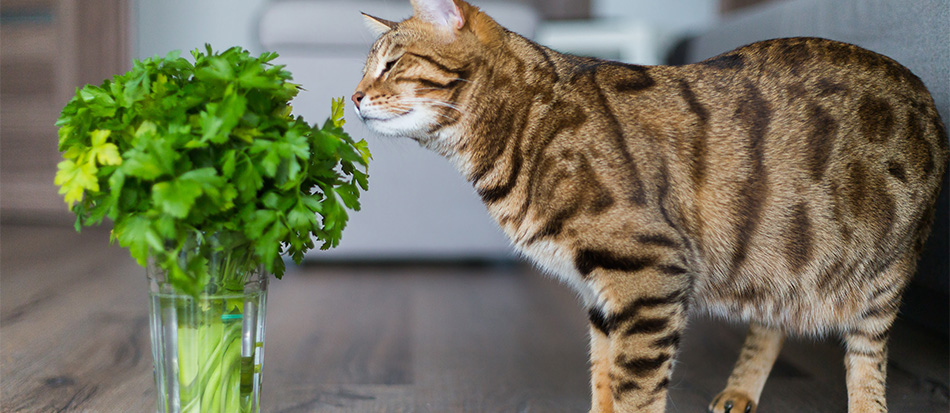
Household plants are a popular topic when it comes to poison prevention for our pets. If you are a pet owner and you like to keep plants in and around your home, be sure that you do your research before bringing a plant into your home that could be harmful to your pet.
Here are some other miscellaneous household items that can be toxic to your pet –

  • Batteries
  • Potpourri
  • Insecticides
  • Rodenticides
  • Plant fertilizer/plant food
  • Antifreeze
  • Yarn, rubber bands, dental floss

Secure!
Make sure that potentially toxic items are out of your pet’s reach. Pets can be pretty creative about finding a way to get into things, am I right?

  • Keep human medications and pet medications in separate areas, both secure and out of reach.
  • If you have multiple pets, make sure that their medications are kept separate, in order to keep them from getting mixed up.

Learn!
Do the necessary research to educate yourself on the topics surrounding poison prevention. What items are toxic to your pet? Talk to your veterinarian to find out if there are certain foods that may be more toxic to your pet than others. Read up on household plants and make sure that you don’t keep any toxic plants inside your home. Knowledge is power!
Read!
Pay attention to the labels on the items in your home. The label will often warn you if the substance is toxic to you or your pet.
Before administering any medication to your pet, make sure you read and understand the directions, and follow any doctor’s orders exactly.
Know!
Do you know what the common signs and symptoms of poisoning are? This is an important part of poison prevention. If you notice that your pet is displaying any of the following signs or symptoms, call your veterinarian immediately!

  • Vomiting
  • Diarrhea
  • Difficulty breathing
  • Lethargy
  • Convulsions

If you can’t get in contact with your veterinarian, call the ASPCA Animal Poison Control Center.
Prepare!
It is important to be prepared in the event that any emergency arises with your pet, and that includes possible poisoning. Keep emergency resources on hand and have the number of your local veterinary emergency hospital in an accessible place, so that you can seek help immediately.

Celebrate Fall with Pet Friendly Fun

Fall Fun with Pets

Fall brings visions of cozy sweaters and romps among fall leaves. After the long, hot summer that blanketed most the U.S. the drop in temperatures practically screams “get outside and have fun!”
Your pets may be feeling it too. Sometimes the cooler temps have your furry friends eager to get outside and make the most of it. Why not join them? Whether you’re up for a simple stroll in a nearby park or want to take the opportunity to do something more adventurous with your best friend, here’s our pick of fun pet friendly fall activities.
At Home
Fall means leaves on the ground that need to be cleaned up. Let your pets “help” you with outdoor chores. They may love jumping in the leaves or simply sitting nearby and supervising your activities.
Play ball. For many people, Fall means football. If you have a dog who loves fetching, make it a point to indulge your dog’s favorite activity.

Dog playing catch


If you have a fenced in yard, you might invite a few sociable dogs and their people over for an afternoon of fun. The dogs will play chase until they’re exhausted and as everyone knows, a tired dog is a good dog.

Dog playing in leaves


Crisp, fall days are perfect for long hikes in the woods or even camping if that’s your thing. BringFido.com has a list of pet-friendly campgrounds around the world.
Of course, it’s ok not to want to hike the Appalachian Trail with your dog. You might both prefer an afternoon of urban enjoyments such as sidewalk dining. Most patios and sidewalks cafes are pooch friendly and some even have dog friendly menus these days like Philadelphia’s Square 1682 at the Hotel Palomar. Imagine dog (and people) watching at an elegant spot.
Plan for Halloween. Get a head start on your pet’s Halloween costume. Whether your dog will be part of an area pet parade or will just don the costume for photo opps, pets in costume are always fun.

Dogs dressed up for Halloween


Take them to a festival. Fall is festival season and every town has at least one. From Harvest Festivals to art festivals the Fall is packed with opportunities to explore.
Adopt a new hobby. Maybe you’ll teach your cat to walk on a leash. Or, you’ll explore agility training with your border collie. New hobbies are good for both of you. Learning creates new neural networks in your brain and if you have a highly energetic (and smart) breed, a hobby like agility can be the perfect outlet.

Cat walking with harness


How will you enjoy the Fall weather with your pet(s)?

About This Page

Pet Type:

Topic:

健康と栄養 運動

Date:

19/09/2016

    Be the best pet parent you can be. Join for expert advice.

    Sign Up