



Image

Is a Raw Meat Diet Healthy For My Cat?

Is a Raw Meat Diet Healthy For My Cat?

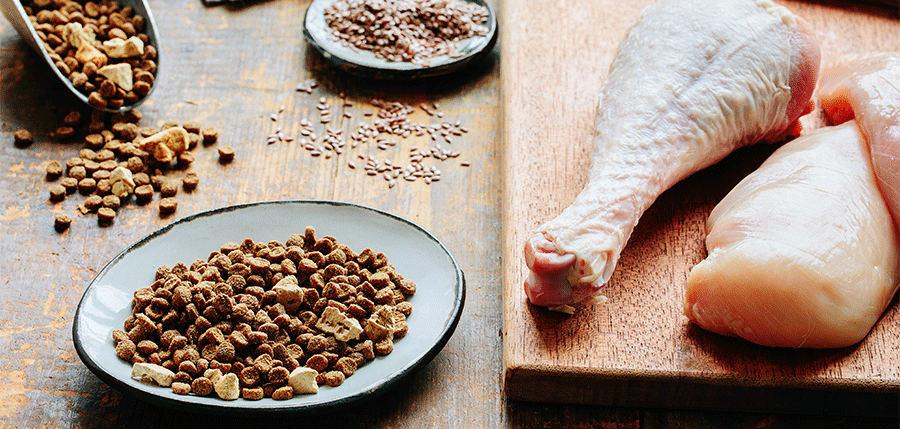
Feeding pets a raw diet has been a debate for decades. Logically, a raw diet seems natural for animals since they would eat raw meat in the wild, but domesticated animals are different. Their bodies have changed and adapted over time. They move less during the day, and they don’t have to hunt for their food.

While some dog owners feed their dogs raw diets, some pet owners may be surprised to learn that the discussion extends into the cat world as well. Just like dogs, cats have a natural instinct to return to their wild roots, and food is a great way to bridge the evolutionary gap. If you have a picky cat eater, this may be the reason why. Cats want flavor in their food just like us. They crave meaty textures and real flavors instead of artificial fillers. But is a raw diet the right option for your cat?

Research shows that a raw cat food diet has both pros and cons, so the answer isn’t so straightforward. Here is a quick list to show some of the benefits and the drawbacks when considering a raw diet for your furry friend.

The Pro List

Nutrition

A raw cat food diet offers essential vitamins, minerals and enzymes in a natural way. There are no fillers or artificial ingredients when it comes to eating raw, so your feline friend is getting a good quality food. You never have to worry about looking for wheat, soy or preservatives on the label.

Flavor

We may think of cats as having different tastes than humans, but who doesn’t love flavor? The concept of taste plays a huge role in what our pets are willing to eat. Cats are naturally drawn to raw foods; it’s in their blood! Rich flavors contained in raw meats are what most cats are craving. If you have a picky eater, it may be based on taste alone.

Texture

The texture of raw food is enticing to cats. There are no fillers when eating raw, and raw food isn’t processed into repeated, unnatural shapes that sit in their food bowls. For some cats, the texture is everything and raw meals are something they can savor.

The Con List

Cost

Raw food, like any real food, can be costly. There is a huge difference between a bag of kibble and several prepared meals per day containing meat products. Your cat may like raw food, but your budget may not.

Time and Care

Preparing raw food for your furry friend is time-consuming. It’s like having another human in the house to cook for. You may like the idea of a raw diet, but your work life may not allow the time or energy.

Food Safety

When preparing dishes with raw meat ingredients, you must pay attention to food safety. Working with raw meat must be taken seriously. Make sure to clean the area thoroughly and wash your hands after preparing a raw dish. Be sure to properly dispose of leftover scraps, especially if you have young kids in the house.

Health

There is a school of thought which suggests raw food may not be great for cats’ dental health. Unlike the kibble, nothing is scraping the cat’s teeth clean during the eating process. Raw only diets could cause more trips to the vet. On top of teeth issues, serving raw doesn’t always guarantee a balanced meal of nutrients and vitamins. Controlling and tracking the precise vitamins and enzymes in your cat’s raw diet can be difficult and risky since cats need certain vitamins to stay healthy.

It’s clear there are arguments for both sides of a raw cat food diet, but if you’re still unsure about what’s best for your fur baby, check out Wellness CORE RawRev. An excellent alternative to a raw diet, CORE RawRev is a high-protein kibble with real, freeze-dried raw meat mixed in. It contains no fillers or artificial anything. Every meal offers a balanced nutrient-rich dish that is full of flavor and safe for your home. Wellness CORE RawRev allows you to spoil your cat with the benefits of delicious free-dried raw meat, while ensuring a complete and balanced diet.

Cats love the flavors and different textures offered in Wellness CORE RawRev. Try the Original recipe or the Indoor option. Whether you have a picky cat or are simply weighing the raw diet options, grab a bag and see if Wellness CORE RawRev is right for your kitty.
Choosing the Right Protein For Your Dog

Choosing the Right Protein For Your Dog

You already know that protein is essential for your dog wellbeing. But that’s not enough – do you know what kind of protein works best with your pooch and how much protein you should feed him? Let’s break down all of these questions and take a good look at choosing the right protein for you dog. 

How Much Protein Does Your Dog Need?

Every day, your dog needs 1 gram of protein per pound of his ideal body weight. What does that mean? Let’s just say that you have a 40-pound dog (which happens to be his ideal body weight). It would mean that your dog will need 40 grams of protein every day. 
If your dog is overweight, you’ll still need to calculate his protein calculated at his ideal body weight. That means is your dog is carrying a few pounds at 48 lb., but he should weigh 40 lb., he needs 40 grams of protein each day. 

What Percentage of Protein Should Be in Your Dog’s Food?

Depending on your dog’s age, you’ll be looking for a minimum percentage of 18 to 29 protein in his diet. Adult dogs need 18 to 25 percent protein, while a growing puppy needs more protein – 29 percent (which should provide 20 to 25 percent of his dietary calories). 

What are the Best Proteins for Dogs?

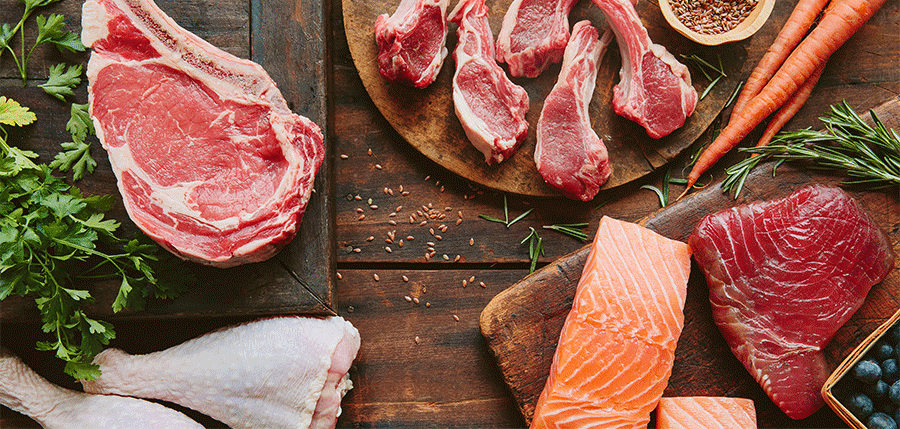
When looking at the label, you should see meat listed as the first ingredient. Here are some common, healthy protein sources:

  • Beef
  • Turkey
  • Chicken
  • Lamb/Mutton
  • Duck
  • Venison
  • Rabbit
  • Fish (Salmon, Whitefish, etc)

As well, muscle meat and by-products such as hearts, livers, kidneys, and lungs are all good sources of protein, as well as meals made from them.

Best Protein for Dogs with Allergies:

If your dog has allergies, these protein sources are less likely to cause allergic reactions that are common with proteins such as chicken

  • Pork
  • Duck
  • Elk
  • Bison
  • Lamb

Dogs with allergies do better with game meats. Thanks to Limited Ingredient types of dog foods, elk and bison recipes are now readily available at most pet stores.

Best Protein For Active Dogs:

  • Beef
  • Chicken
  • Pork
  • Duck
  • Elk

Best Protein for Overweight Dogs

Feeding about 2 to 3 percent of body weight is considered ideal. Some proteins that can help with dog weight loss:

  • Turkey
  • Elk
  • Rabbit

Turkey is a common meat found in dog food recipes and is a great way for your pooch to lose those unsightly pounds – all while giving him the nutrition from protein he needs.

Which Wellness Dog Foods Should You Choose for Your Dog?

Wellness Dog Food has a variety of recipes to meet your dog’s needs – whether your pupper is prone to allergies or can’t stand still (or even if he doesn’t like to get off the couch), Wellness has a specially designed high protein dog food just for him. 
Try their Complete Health recipes, a series of dog foods that combine natural, premium proteins to deliver a balanced diet for all dog breed sizes, life stages or unique nutritional needs.
If you’re looking for a higher protein option, give the Wellness CORE line a go. Available in dry and wet dog food, toppers and treats in both grain free and Wholesome Grains varieties, you can expect quality proteins such as beef, salmon, lamb, duck, turkey, chicken and whitefish to provide your pooch with the flavor and health benefits he needs. 
Is your dog prone to sensitivities? Then try Wellness CORE SIX, natural, limited-ingredient dog foods made with just 6 main ingredient sources including a single protein like duck, lamb or salmon, plus easily digestible carbohydrates, with no fillers or additives. 

join our community


How to Feed Your Dog a Healthy High Protein Diet

Nearly all pet parents agree when it comes to feeding their dog, protein is one of the most important ingredients they need to look for when selecting the best food for their dog. But are all proteins the same? Should you feed a high protein dog food? What is considered high protein? Should you only look at the amounts of raw meat ingredients or is the guaranteed analysis amount of Crude Protein that is more important? And what does protein in a dog’s body get used for? Let’s cut through the confusion:

How much protein do dogs need?

Technically, only 18%. According to the Association of American Feed Controls (AAFCO) who determine the minimum requirements for nutritional adequacy when it comes to formulating canine nutrition, the adult maintenance minimum that dogs need to survive is just 18% Crude Protein and 22.5% Crude Protein for dogs that are growing or reproducing. But providing a diet that exceeds these minimum amounts of Crude Protein is one way of ensuring that dogs don’t just survive, but that they are eating nutrition that truly can make them thrive.  

What is considered a high protein dog food?

There is no hard and fast number when it comes to classifying products as being high protein nutrition but there are a couple points to consider. Firstly, always compare diets by the guaranteed analysis, this is the chart on the back of the pack that tells you what levels are in the finished product. This chart is the best way to compare apples to apples and avoid the confusing marketing claims on the front of the packs. Most premium diets contain around 22-28% Crude Protein. As a high protein offering, this amount in the guaranteed analysis can increase between 30-37% Crude Protein.

Why is feeding a high protein dog food is important and healthy for your dog?

When high quality meat-based proteins such as turkey, chicken or salmon are included at increased amounts into a dog’s diet this can deliver nutrition that is tailored to how a dog was meant to eat to vitalize their wellbeing:

  • As a key macro nutrient, dietary protein is essential for the growth and for the maintenance of almost all tissues in a dog’s body.
  • Protein works to supply the amino acids necessary for the dog’s body to build hair, skin, muscles, cartilage, tendons and ligaments
  • Protein makes up the enzymes that drive all metabolic reactions, the hormones that act as the body’s chemical messengers and antibodies that comprise the immune system to help keep dogs healthy.
  • Protein helps ensure a soft and shiny coat, lean, strong muscles and strong immune systems
  • Protein helps your pup love every bite of their food to ensure bowls are always empty. 

When meat rich proteins are included in higher amounts in dogs’ diets, a dog will not only look great but feel great too.  

What is a good brand when selecting a high protein dog food?

Feeding a diet rich in meat protein helps promote the optimal health of all dogs from the timid Teacup Chihuahua to the burley Great Dane. When high meat is combined with a moderate fat level and a lowered amounts of grain free carbohydrates the result is perfectly balanced nutrition ensuring a dog can thrive in all life stages from an active puppy to a sedentary senior.

Now, this approach is different to brands that claim to feed your dog like a Wolf. Whilst these diets are high in protein, they may also be combined with high fat levels. These high fat levels were crucial for wolves to fuel their highly active lifestyle as well as ensure they survived the harsh times of famine. Today though, our dogs not only look very different from a wolf, but they are far less active. So, whilst protein remains a very important dog food ingredient, we need to make sure the fat levels are not too high.

Wellness CORE delivers natural, superior protein-rich, nutrition that’s specifically crafted for modern dogs to thrive. Featuring fresh meat and concentrated meat sources as our key ingredients, every CORE recipe is combined with moderate amounts of fat, low carbohydrates and a unique blend of wholesome fruits and vegetables, superfoods, botanicals and nutritional supplements to be the best meat-based nutrition available.

Are there any dogs that shouldn’t eat a high protein dog food?

One of the biggest myths in relation to higher protein diets is that they can be unsafe for large breed puppies, older dogs and overweight dogs. In all three cases these myths have been disproven by sound, robust and continual scientific studies.

Protein FACT #1: There is no direct link that protein contributes to musculoskeletal growth disorders in large breed dogs.

Studies have shown that differences in protein intake with levels of 15%, 23% and 32% protein did not affect the occurrence of skeletal development in Great Danes. The bigger culprits that directly correlate with orthopedic problems in large breed puppies are excess calorie intake or increased calcium levels due to over-supplementation. 

Protein FACT #2: Higher protein diets promote superior weight loss and body condition maintenance.

Obesity levels today are alarmingly high at 54% of dogs. Key contributors include the sedentary lifestyle of many dogs as well as the types and amount of food we’re feeding them. Research has shown that dogs fed a higher protein diet with lower carbohydrates lost more weight. In these studies, dogs also maintained their lean muscle mass while losing fat, leading to overall improved body composition than dogs fed a high carbohydrate, low protein diet.

Protein FACT #3:Older dogs benefit high protein dog food with no risk to their kidney health.

Thanks to robust medical preventative care and disease treatment, dogs today are living longer than ever, reinforcing the importance of tailoring our nutrition to support the aging dog. As a dog ages, they require more protein. When insufficient protein is provided, it can aggravate the age-associated loss of lean body mass and may contribute to lowered mobility and earlier mortality. Feeding higher protein to an older dog helps support their increased requirements, maintains their muscle mass for mobility and most importantly, has been shown in numerous studies to have no adverse effects on a dog’s kidneys. A protein-restricted diet is only recommended for dogs that have been diagnosed with chronic kidney failure. Restricting protein for healthy older dogs is not only unnecessary, but could be detrimental. 

How do you transition your dog to a high protein dog food?

Most dogs transition onto high protein diets easily over a 4-day period using the following guide:

how to tansition a dog to a high protein food


Should your dog be more sensitive, a good rule of thumb is to extend this period to 7 – 10 days.

join our community

A Life with More Choices: Wellness® Announces Grained Dry Recipes and Wet Variety Packs to Support Cats’ Diverse Diets

wellness complete health wet cat variety pack

Newly packaged varieties of top-selling selections and a returning feline favorite offer culinary convenience for all nutrition needs 

wellness cat variety pack
 
When it comes to a mealtime menu for cats, finding the right food that will win your feline friend over isn’t always easy—but Wellness® Natural Pet Food helps pet parents discover recipes packed with natural nutrition their cats will love. Sometimes, having more options is better when you’re dealing with a picky eater—and the choices just expanded with new and returning selections from Wellness, adding premium, natural options for pet parents looking for more convenience as well as recipes formulated for their cat’s lifestyle, nutritional needs and refined palate.

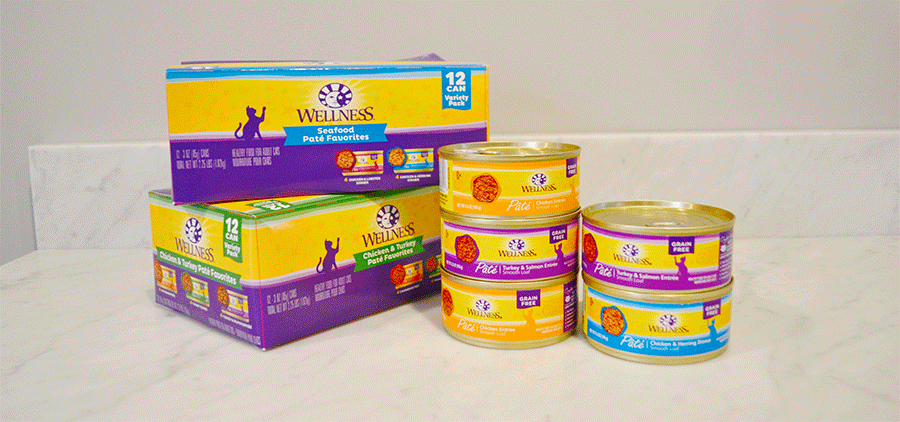
Newfound convenience is served up with Wellness Complete Health® Variety Packs, a rotation of top-selling Complete Health wet recipes designed to diversify mealtime easily throughout the week while satisfying appetites, Catisfaction Guaranteed. And it’s true! Nine out of 10 cats love Wellness Complete Health , but if a flavor isn’t approved by kitty, any unused product in its original packaging, along with the purchase receipt can be returned to the store where it was bought for a full refund. New Variety Packs deliver the convenience cat parents look for when purchasing multiple cans of wet food with the variety and flavor cats crave. They will be offered in 12-packs and 24-packs, with three feline-approved flavor and texture variations packaged in 3 oz. cans so that pet parents can effortlessly customize the dish of the day—keeping it consecutive or mixing things up.

Each wet recipe provides a healthy source of nutrition and hydration without grains, carrageenan, artificial colors, flavors or preservatives. Complete Health Variety Packs come in three all-natural, wholesome protein categories to entice any feline: (1) Chicken & Turkey Pâté Favorites: Chicken Entrée, Turkey Dinner and Turkey & Salmon Entrée, (2) Seafood Pâté Favorites: Chicken & Lobster Dinner, Chicken & Herring Dinner and Turkey & Salmon Entrée and (3) Chicken & Turkey Lovers: Gravies Chicken Entrée, Minced Chicken Dinner and Minced Turkey Entrée.

Wellness Complete Health recipes with Wholesome Grains are back by “paw-pular” demand to meet pet parents’ interest in the option of a diet that includes wholesome grains. Offered alongside grain-free options, the reintroduction of the best-selling grained recipes will help pet parents find the perfect formula for their cats among the widened variety of protein and antioxidant-rich, balanced recipes from Complete Health.

Wellness Complete Health formulas with wholesome grains focus on premium protein, vitamins and minerals enriched with healthy, fiber-rich grains to support the signs of wellbeing. Each package of dry food will be available in 6 lb. bags, crafted with only the best ingredients including Omega-3 and Omega-6 to support cats’ skin and coat, pre- and probiotics to aid healthy digestion and a balance of high-quality proteins, select fats and carbohydrates for the energy cats need to thrive. 

Grained recipes will be offered in four land and sea variations appealing to felines’ favorite flavors: (1) Adult Salmon & Salmon Meal, (2) Adult Health Deboned Chicken & Chicken Meal, (3) Indoor Deboned Chicken & Chicken Meal and (4) Natural Hairball Control Chicken Meal.

“There are valued nutritional benefits in both grained and grain-free food for cats, and now we are offering both options for those pet parents looking to feed our trusted Complete Health formula,” says Chanda Leary-Coutu, Director of Marketing Communications and Consumer Experience for Wellness Natural Pet Food. “We’re committed to empowering pet parents and putting them in control of what they provide their pets, and we do so by presenting an array of innovative, healthy choices both with and without wholesome grains for a balanced selection you can count on serving up with ease.” 

Both Wellness Complete Health with Wholesome Grains and Wellness Complete Health Variety Packs will be available at select pet specialty retailers, independent retailers and online. They will also be on showcase at Global Pet Expo in Orlando, FL at Booth 3767. 
 

Wellness® Natural Pet Food Introduces New CORE® Dog Food Recipes to Give Pet Parents the Power of Choice on Grains and Protein

wellness core wholesome grains dry dog food

Expanded offerings of Wellness® CORE® and Wellness® CORE® RawRev™ recipes meet pet parent demands for grained and grain-free options and seafood protein sources 
When pet parents ask, Wellness® Natural Pet Food listens. The brand’s popular Wellness CORE® family of high-protein, nutrient-dense recipes now has new additions to answer pet parents’ call for more poultry-free and grained options. The launch of a fish-based Wellness CORE RawRev™ recipe and the introduction of high-quality, wholesome grains recipes empowers pet parents to choose the best diet for their dog without sacrificing the high-quality nutrition of Wellness CORE. 
The wait is over: the meaty goodness of Wellness CORE RawRev that dogs crave is now available in a poultry-free fish recipe with hard-working protein from the sea. New Wellness CORE RawRev Ocean combines high-protein, fish-based kibble with pieces of 100% raw whitefish for a balanced meal that is naturally rich in omega fatty acids to help promote healthy skin and a shiny coat and is an excellent source of high-quality protein. Thoughtfully crafted for pet parents looking for a fish-based option, it is the first poultry-free recipe in the Wellness CORE RawRev family and is perfect for pups with poultry-sensitivities or an affinity for seafood. Combined with antioxidant and nutrient-dense kibble, Wellness CORE RawRev Ocean is a complete and balanced meal that allows pet parents to safely incorporate raw. Like all Wellness CORE recipes, CORE RawRev Ocean is crafted with natural, high-quality ingredients and no artificial ingredients, colors or preservatives. 


Wellness is also proud to present high-protein Wellness CORE recipes powered by Wholesome Grains. On shelves beginning in February, Wellness CORE with Wholesome Grains recipes are packed with the same high-quality protein as the grain free recipes that have been trusted by pet parents and adored by dogs for years, expertly combined with high-quality, highly digestible grains like oatmeal, barley and quinoa. The Wellness CORE with Wholesome Grains recipes are rich in fiber, protein, essential vitamins and have guaranteed levels of taurine to support heart health. They will be available across Wellness CORE (high protein kibble) and Wellness CORE RawRev (high-protein kibble combined with 100% raw meat) product lines in a variety of recipes: 
•    Wellness® CORE® with Wholesome Grains is packed with premium protein along with nutrient-rich grains and superfoods to give dogs everything they need to thrive. Available in four recipes: Original Deboned Turkey, Chicken Meal & Turkey Meal; Ocean Whitefish, Herring Meal & Menhaden Fish Meal; Small Breed Original Deboned Turkey, Turkey Meal & Chicken Meal; and Puppy Deboned Chicken, Chicken Meal & Turkey Meal.
 
•    Wellness® CORE® RawRev™ with Wholesome Grains combines high-protein kibble with wholesome grains and 100% freeze dried raw meat to create a savory, crave-worthy, nutrient-rich meal. Like all Wellness CORE RawRev recipes, they give pet parents a convenient way to add raw protein to their dog’s diet. Available in four recipes: Original Deboned Turkey, Chicken Meal & Turkey Meal; Ocean Whitefish, Herring Meal & Salmon Meal; Small Breed Original Deboned Turkey, Turkey Meal & Chicken Meal; and Puppy Deboned Chicken, Chicken Meal & Turkey Meal.


“At Wellness, we’re on a mission to help pets fall in love with mealtime by providing a breadth of flavor-packed, nutritious recipes for every taste, lifestyle or dietary need. Based on years of experience as pet food innovators and devoted pet parents, the new Wellness CORE recipes allowed us to build on the base of what we confidently know works for pets to give them even more options,” says Chanda-Leary Coutu, director of consumer experience at Wellness. “The new protein and grain choices in the Wellness CORE family empower pet parents to diversify what goes in their pet’s bowl without totally disrupting a diet they trust for their dogs.”
The newest products in the Wellness CORE line will also be on display at Global Pet Expo in Orlando, FL at Booth 3767. 

10 of the Best Foods Your Puppy Can Eat

puppy eating food

Give your puppy the best possible start in life by feeding a specially formulated puppy food to meet their growing needs.

What Is A Puppy Diet?

The best food for puppies are formulas that contain essential growth nutrients such as DHA (docosahexaenoic acid), an omega-3 fatty acid that is crucial for brain health, the development of the nervous system as well as key for good eye sight. Puppies actually get DHA from their mother’s milk that is why it’s so important in a puppy recipe as they transition over to real food. DHA in puppy foods can be sourced from fish or fish oil, liver protein or from algae meal. 

A puppy diet also contains optimum amounts of calcium and phosphorus to support healthy bones, muscles and teeth in terms of the AAFCO nutrient profile that supports growth. The best foods for puppies are higher in calories than adult diets to ensure overall healthy growth. That’s why there are different types of puppy diets because, for example, larger breeds grow over a longer period of time and have nutritional requirements related to their growth pattern versus small breeds. 

Whether your puppy is going to grow up to be a small adult dog or a larger dog, it’s important to always follow the feeding guidelines in order not to overfeed. It’s worth having a nutrition conversation with your veterinarian. At Wellness, we offer a full-time hotline and can offer knowledgeable advice with regard to specific puppy nutrition questions. Contact Us at 800-225-0904, Monday – Friday 8am – 5pm ET.

Best Food for Puppies

Fortunately, when it comes to the best premium, natural recipes for puppies, there are options crafted to meet a growing pup’s needs in grained or grain free formulas. They also take into consideration kibble size and wet textures suitable for puppies. 
 

Best High Protein Food for Puppies

    • Wellness CORE RawRev Puppy dry food: This high-protein kibble, available in both grain-free and grained varieties, is a savory, nutrient-rich meal packed with everything a puppy needs to thrive. It contains bite size freeze-dried pieces of 100% turkey. Apart from turkey as the main protein ingredient, this recipe contains turkey liver and turkey hearts plus ground flaxseed, spinach, broccoli, carrots, parsley, apples, blueberries and taurine, (essential for a healthy immune system and good heart health).


  • Wellness CORE Puppy: This recipe has chicken as the main protein ingredient along with Chicken Meal and Turkey Meal. Available in both grain-free and grained options, the recipe excels with high amounts of DHA obtained from salmon oil. The spinach in this recipe is an excellent source of magnesium and iron and it contains a medley of vegetables such as broccoli, carrots and kale and fruits like apples and blueberries which are all rich in vitamins and minerals for your growing puppy.

Best Natural, Balanced Food for Puppies

  • Wellness Complete Health Puppy: Deboned Chicken, Oatmeal & Salmon Meal Recipe: This is an excellent option for pet parents looking to add whole grains to their puppy’s diet. Apart from oatmeal, it contains ground barley, a popular ancient grain in pet food. Salmon oil is the key ingredient for providing high levels of DHA and tomatoes provide a source of vitamin C and carotenoid lycopene, an essential antioxidant for a growing puppy.
  • Wellness Complete Health Grain Free Puppy: This chicken recipe has the same high-protein, balanced nutritional profile as the Complete Healthy Puppy (above) but it is grain free. Thus, pet parents have this option without comprising their puppies overall nutritional needs.

Best Breed Size Specific Food for Puppies

  • Wellness CORE Small Breed Puppy: It’s important to feed a diet that has been specially formulated to take your dog’s growth pattern and final size as an adult into account. Typically, small breeds grow to adulthood in 12 months. This CORE Small Breed Puppy diet is a grain-free, protein-rich food formulated to ensure that bones and muscles develop proportionally to their size. Further, it has high levels of DHA to support cognitive development, guaranteed levels of calcium for strong bones and omega fatty acids for a shiny coat. The kibble is sized for smaller jaws and teeth to make certain the food is properly chewed.
  • Wellness CORE Large Breed Puppy: Deboned Chicken, Chicken Meal & Turkey Meal Recipe. The best food for a large breed puppy is one specially formulated to consider that larger breeds are not adult dogs until they are 18-24 months old. Consequently, a large breed puppy food has less calories compared to regular puppy food to take this longer growth period into account. Nevertheless, the key nutritional focus remains with high levels of DHA from salmon oil to support healthy brain development, guaranteed levels of calcium & phosphorus for bone & muscle development and vitamins & minerals to support a healthy immune system. This large breed recipe is formulated to meet the nutritional levels established by the AAFCO Dog Food Nutrient Profiles for growth of large size dogs (70 lbs or more as an adult).
  • Wellness Complete Health Large Breed Puppy: Deboned Chicken, Brown Rice & Salmon Meal Recipe. This recipe considers the extended growth period for larger breeds. Apart from deboned chicken as the main protein ingredient, this recipe features healthy grains such as ground brown rice, oatmeal, barley and oats. Like all puppy recipes, it has high levels of DHA obtained from salmon oil to support brain health and eyesight. Veggies include carrots, an excellent source of beta carotene, that further protects against cataracts and heart disease.

Best Wet Food for Puppies

  • Wellness Just for Puppy Wet Food: This recipe is a smooth, easy-to eat pâté formula. Like the puppy kibble recipes, it’s designed for a puppy’s optimal development and contains all the vitamins, minerals and antioxidants puppies need to thrive. The protein comes from chicken, chicken broth, chicken liver and salmon. It contains ground barley as a healthy grain plus sweet potatoes, pea protein, carrots, apples, pears and bananas. The Wellness Just for Puppy Wet Food is designed as a stand-alone food. But it can be served as part of a wet and dry combo diet as along as the portions are adjusted according to the guidelines on the website. 

Best Treats for Puppies

  • Wellness Puppy Bites Soft Lamb & Salmon Treats. Tasty, healthy treats are an important part of a puppy’s socialization and reward-based training. These soft treats are all natural, grain-free and bite-sized. They’re a nutritious reward that contains DHA along with no meat by-products, corn, wheat, dairy, artificial colors or flavors.
  • The Wellness Puppy Bites Crunchy Chicken & Carrots are also grain free and packed with healthy ingredients such as broccoli, cranberries, apples, blueberries, sweet potatoes and bananas. Consequently, pet parents can choose between a soft or crunchy texture and proteins flavors such as Soft Lamb & Salmon or Crunchy Chicken & Carrots.
  • Wellness CORE Puppy Bites: Beef & Turkey Recipe. These tasty treats are enhanced with a tantalizing natural smoke flavor. Healthy, natural ingredients include DHA. These soft treats are irresistible to all puppies no matter their size.

With all puppy diets, feeding the correct amounts is key to raising a healthy puppy to become a strong, energetic adult dog. Extra weight during puppyhood puts a strain on growing bones! Check the guidelines for feeding amounts and keep re-checking because feeding amounts change frequently as the puppy grows.

When it comes to treats, they need to be considered as part of a puppy’s daily calorie allowance and not an added extra. That means that the calorie content of the treats should not amount to more than 10 percent of your pooch’s total daily caloric allowance. 

Puppyhood is the ultimate in doggy fun time. And meal time is a special bonding experience. Do you have a puppy that enjoys one of the Wellness puppy recipes or is rewarded with yummy Wellness treats? Please share your photos with us by tagging #wellnesspetfood and @wellnesspetfood for a chance to be featured on our website or social pages!

Top 5 Healthy Cat Food Ingredients [Checklist]

Wellness Complete Health Natural Healthy Cat food copyrighted

You are what you eat – and the same goes for your cat! Here’s what you need to look for in your cat’s dry food. 
When you start your search for a quality dry cat food, you need to first do your research. After all, a quality dry cat food is only as good as its ingredients. Before you start shopping, you should know how important the ingredients are – and that’s why we’re going to talk about the top five healthy cat food ingredients you need to see on the label. 

✔ Protein as the First Ingredient

Cats are obligate carnivores, and as such, a quality dry cat food needs to list a protein as its first ingredient – no exceptions! Not only that, but the protein needs to be named – it shouldn’t just list “meat.” Look for chicken, turkey, lamb, or salmon. When you look at any of Wellness’ cat food recipes, you’ll notice that a high-quality protein is listed right at the top of the ingredient list. 

✔ Omega 3s and 6s

Essential in supporting your cat’s immune system and other important biological functions, Omega 3 and 6 fatty acids can be found in fish oil, eggs, and flaxseed. A quality dry cat food includes Omega 3 and 6 fatty acids, which will also help give your cat smooth skin and a gorgeous coat.

✔ Vitamins and Minerals

A robust list of vitamins and minerals should be a part of a quality dry cat food. Not only do they provide a complete and balanced diet, but they support a healthy immune system and promote a shiny, healthy coat. On the list of ingredients, look for water-soluble vitamins B12 and C, plus minerals such as calcium, iron and zinc.

✔ Healthy Fats

On top of Omega 3 and 6, other healthy fats are essential in a quality dry cat food, especially when it comes to storing energy. Did you know that cats need 20 to 24 percent fat in their food? That means that both protein and fat need to be relatively high to ensure a healthy diet. 

✔ Probiotics

You should also look for guaranteed levels of probiotics to support digestion. This is the “friendly bacteria” that reside in your cat’s digestive tract. Probiotics promote a healthy balance of bacteria in the gut, which is important for complete digestion and absorption of nutrients. As well, probiotics help keep your cat’s immune system strong, making them a must-have ingredient for cats with digestive disorders.

What a Cat Food “Shouldn’t” Have

Just as important as what’s in your cat’s food is what isn’t in it – ingredients that could make your kitty sick.

✗Chemicals and Preservatives

Chemical preservatives such as Butylated Hydroxytoluene (BHT) and Butylated Hydroxyanisole (BHA) are used to preserve dry cat food, but they’re are being looked at as the cause of certain cancers. 

✗ Food Dyes

Food dyes are often added to foods to make them more appealing to humans – but offer no benefits to cats. Certain food dyes, such as Blue 2, Red 40, and Yellow 5 and 6, have been proven to cause allergic-type reactions and behavior problems. You may have heard about caramel color, which contains 4-methylimidazole (4-MIE), an animal carcinogen. 

✗ Carbohydrate Fillers

When a cat food includes fillers, they can make up about 50 percent of the bag. And carbs just aren’t good for cats, especially seniors and overweight cats.  Manufacturers often use wheat gluten or corn meal as a filler, as it’s a less expensive alternative to meat protein and whole grain/grain-free sources.

✗ Rendered Fat

Who would think that rendered fat is a flavor enhancer – yuck! It’s true – rendered animal fat can be added to kibble, but can lead to a host of problems, as it can introduce microorganisms (Salmonella) and toxins. 

Which Dental Chews Are Right for Your Dog?

WHIMZEES Dog dental Chews

Dog dental chews are a great way of helping keep your dog’s teeth clean. With so many products available the following are 6 quick points to consider when next in the dog treat aisle choosing a chew for your dog. Following these tips will ensure you choose a chew that is tasty and safe but one that is the most effective at removing plaque and tartar whilst keeping their breath fresh:

1. Look at the ingredients:

  • Ensure that an edible dental chew contains high-quality natural ingredients to promote the health and wellbeing for your dog as well as keep their teeth clean. The back of a dental chews pack will often highlight if a brand contains non-GMO ingredients as well as show the ingredient list in order of most abundant to the smallest ingredient inclusions. 
  • Look for ingredients you recognize like potatoes or chicken
  • Avoid non-specific ingredients like ‘meat meal’ or generic ‘cereals.’ These open ingredient descriptors don’t give you visibility as to the source of that ingredient, meaning they are inferior ingredients.

2. Where is it made? 

Knowing where your dog’s dental treats are made gives assurance on the level quality and safety involved in making a chew that your dog will eat. At North American and European manufacturing sites, companies must meet very strict industry standards that ensure the highest quality chews are available to your pet. In other markets such as China, these industry controls may be missing and create a chew with lower quality standards.

3. Have Sensitivities? Avoid common allergens:

Less is more. Some dogs suffer with sensitivities to certain foods or they may occasionally get an upset tummy after eating certain products. For these dogs it’s helpful to choose a product with limited ingredients (LID) or a short ingredient list. LID chews don’t include potential allergen ingredients like beef, dairy, chicken wheat and soy. A grain-free, vegetarian dental chew is often a great solution for food-sensitive dogs. 

4. Scientifically proven:

The overall efficacy of dental chews varies. Look for a chew proven to promote dental health, such as one with the Veterinary Oral Heath Council (VOHC) Seal of Acceptance.The VOHC ensures products that make the list have met their high scientific standards for proving reduction of plaque and tartar. WHIMZEES Dental Chews have undertaken substantial scientific studies and have been accepted for both VOHC Plaque and VOHC Tartar reductions making it a leading dental chews for dogs.

5. Right size chew:

Why? Choosing the proper size dog dental chew ensures the chew has the correct amount of calories for your dog. Dog dental chews should also match your dog’s mouth size. This ensures optimal cleaning and minimizes the chance of your dog swallowing a large piece that could cause stomach upset. 

6. Daily use is key to success:

Plaque can accumulate in as little as 24 hours so just like us, it’s important to support your dog’s teeth with a dental chew every day to keep their teeth healthy. A chew that tastes great and comes in a larger value bag is a great way of ensuring your dog looks forward to his daily dental chew as well as be the most economical solution. 

5 Ways to Prevent Dental Disease in Your Dog

When thinking of all the things a new puppy will need, most pet parents are on top of the essentials – dog bed, bowls, collars, etc. They diligently research the best foods, they book in their vet checks and vaccinations and sign up for puppy training classes. There’s no doubt that this new pair are off with a  great start to what will be a fabulous life together, but alarmingly most pet parents are forgetting to address the number 1 health issue that will affect their young puppy as he ages—his teeth!

Puppy and Dog Oral Health- Importance of Establishing a Routine

  • Puppies are born with no teeth and develop sharp puppy teeth after a few weeks.
  • Their permanent teeth grow in at 4-6 months. Not many puppy owners will report to seeing the baby teeth fall out, but every new puppy owner will testify to their new pup’s desire to chew everything in sight during these teething months to help ease their discomfort. 
  • Whilst stocking up on chew toys is a given, the other, more important consideration is establishing a daily tooth cleaning routine with your puppy.  
  • Bacterial plaque starts to accumulate on teeth within 24 hours and if not removed each day this plaque will harden to form tartar.
  • Dental disease progresses from tartar to gum inflammation, bad breath, loosening of the tooth attachments and significant pain.

Dental disease affects 80% of adult dogs and 96% of senior dogs.  

This graphic shows a healthy dog’s mouth, along with examples of what early and advanced dental disease looks like in dogs.

To ensure your new puppy is not going to end up with poor dental health as an adult, the best thing a new pet parent can do is start cleaning their dog’s teeth at 3 months old, or as soon as adult teeth start to come in. So how do you do it? Here are 5 tips and tricks to make daily dental time a breeze:

1. Start brushing their teeth from when you first bring your new puppy home

In the first 16 weeks of a puppy’s life they are learning so much about the world around them. Getting them used to having you open their mouth and brush their teeth at this age will ensure they are more  tolerant of it as they age.

2. Brush the right way

There are several different brushes or finger brushes available, but the most important factor is to ensure that in time, you are able to brush all your ’s teeth both front and back on both the inside and outside of each tooth.

  • Start by rubbing your finger around their mouth
  • Move to a finger brush
  • Progress to a toothbrush to help reach the back teeth.
  • Use dog-specific toothpaste for safety and a flavor your puppy will like. Human toothpaste is not safe for dogs.

3. Incorporate a way for your dog to clean his own teeth

This pup is enjoying a WHIMZEES Brushzees dental treat while cleaning his teeth.


Whilst brushing your puppy’s teeth is the gold standard technique for keeping his teeth clean, we know it’s one of the least favorite parts of owning a dog for most pet parents.

In fact, only 2% of pet parents brush their dog’s teeth each day.

To help combat dental disease, an alternative to brushing is letting the dog do all the work with a dog dental chew. Scientifically-proven and VOHC accepted dental chews are a great way to look after their teeth each day while giving them a treat they love. The other important thing when it comes to puppies is to ensure the dental chew you give is suitable for puppies as young as 3 months. This is key to make sure the chews are the right amount of calories, and a safe texture and size to suit their developing mouths. 

Once your puppy has reached nine months, you can switch to an adult dog dental chew that is the right size for your dog based on their weight. WHIMZEES All Natural Daily Dental Treats are made with non-GMO ingredients, are vegetarian and grain-free. WHIMZEES are proven to be twice as effective as leading dental health chews.

4. Make sure it is daily

Plaque can accumulate in as little as 24 hours so just like us it is important to support your dog’s teeth with a dental chew every day to keep their teeth healthy. A chew that tastes great and comes in a daily value bag is a great way of ensuring your dog looks forward to his daily dental chew as well as be the most economical solution.

5. Don’t delay!

Puppy AgeHuman Age
3 months4 years
4 months5 years
5 months6 years
6 months7.5 years
7 months9 years
8 months10 years
9 months11 years
10 months12.5 years
11 months14 years
12 months15 years

A puppy grows so much in his first year that by the time he has his first birthday it is the equivalent of 15 human years! Hence just starting to clean his teeth a few months later in his life can quickly become the equivalent of starting to brush his teeth only when he is a teenager. That’s why it’s best to start your puppy’s oral health care routine at 3 months old.

About This Page

Pet Type:

Topic:

歯の健康

Date:

29/01/2020

    Be the best pet parent you can be. Join for expert advice.

    Sign Up