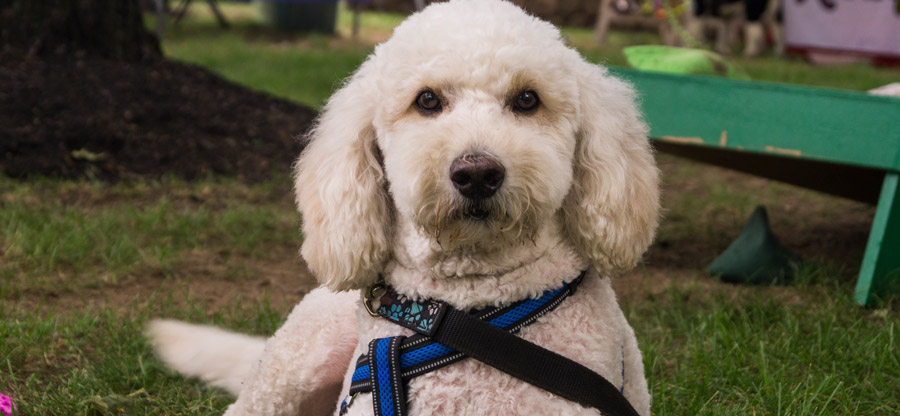
If you had to name one “human” food that your pup consistently drools over, would it be peanut butter? For Dakota, peanut butter is right there next to cheese!
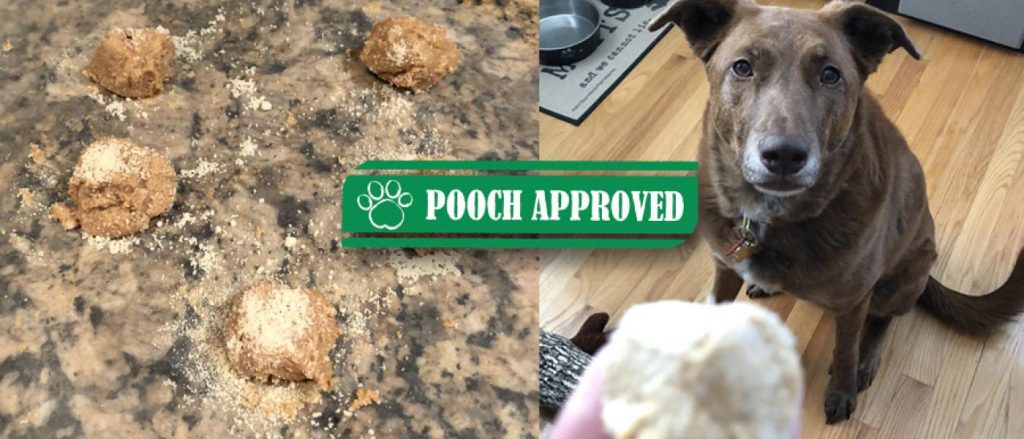
As a spoiled pup, Dakota expects a nightly snack before bed time. We decided to include our CORE 100% Freeze Dried into a delicious frozen treat. Check out this super easy recipe below!
Ingredients: 1/4 cup smooth natural peanut butter 1/4 cup almond or chickpea flour (plus extra for coating) 2oz bag CORE 100% dog treats, any flavor
Directions:
1. Mix peanut butter and flour in a medium bowl, eventually working by hand to incorporate all flour.
2. Separate dough into 8-10 even pieces.
3. Roll each piece of dough into a ball, then flatten and place one meat chunk into the center. Cover and roll again until meat chunk is no longer visible.
4. Roll truffle in flour for a powdered finish.
5. Place in an airtight container in the freezer for up to one week.
This year, you may be working towards some health and fitness goals. But what about Sparky? You may not know, but our dogs and cats are now larger than ever before. What we may consider cute and cuddly is fast becoming an alarming statistic.
54% of dogs and 59% of cats are classified as overweight or obese, making diabetes more common.
A few simple changes can help your pet be in their best health so they can share many more years of wags or meows with you. Here are my top tips:
Take your pet to the vet for their annual checkup.
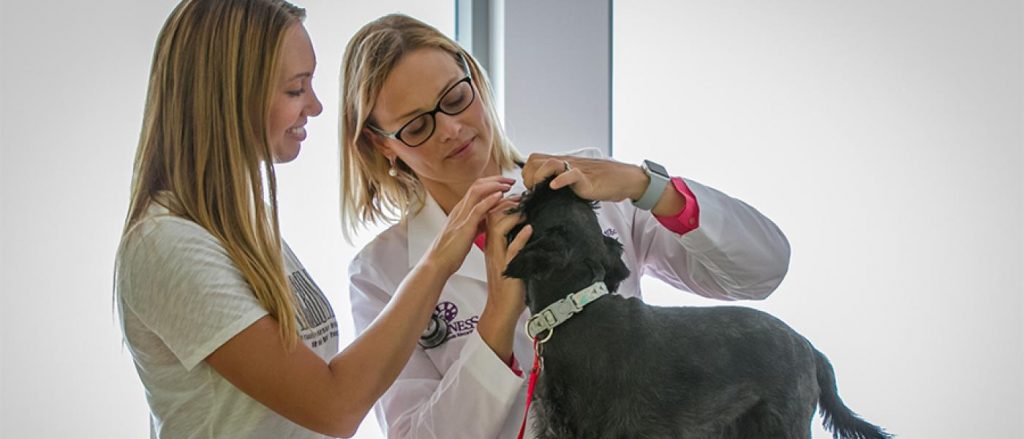
This is the best way of having a complete nose-to-tail health check to get the expert’s opinion of what your dog or cat’s current health is and if they need any area of particular focus to help them be the best they can be. A good idea is to tie this in with your pet’s annual vaccinations.
Just like us humans, pets feel their best when eating well and staying active.
The same goes for Sparky. Make 2018 the year to feed your pet better. You will see the difference in their well being and in many cases what may seem like it costs more in the beginning will save you more in the long run with vet bills.
What should you look for in a pet food brand you may ask?
Natural whole food nutrition is the way to go. Fresh, real ingredients that avoids all the “nasties”. Look for fresh meat as the first ingredient with named protein meals like turkey meal or chicken meal but avoid any with by-product meals. Let me explain the difference – chicken meal is cooked chicken meat and some bones (like a chicken drumstick or wing) that is then refined into a highly digestible, concentrated source of protein, fat, vitamins and minerals. By-product meal on the other hand can include non-digestible parts like beaks, feathers and feet. It naturally is a cheaper ingredient for the manufacturer but really not the best way to feed dogs or cats.
Grain Free nutrition is a great choice due to two key benefits. The first is if your pet has a digestive or skin upset, in many cases switching to grain free can help alleviate those issues. The second is when you select a grain free food that has increased protein levels you’re getting a more concentrated formula with an overall lower carbohydrate amount. I like to call this grain free the right way, not the easy way. You will feed less, the nutrition is superior and the impact on pets’ health is often visible to most pet owners in as little as 2-3 days with a change in their pets’ stools and then 4-6 weeks later in their coat.
If you are mixing wet and dry, don’t feed them the very best dry and then buy the wet from a grocery store. Flip the tin over and look at the ingredients–you’ll likely be quite disappointed.
Photo via @an.amalgam
Apply the same principles to what you are feeding with dry to wet. Look for named protein sources and avoid artificial colors and ingredients and by-products. Whilst changing a cat’s wet food may initially be stressful with a fussy cat, don’t fret. There are natural superior brands like Wellness that have over 100 products in every flavor and texture imaginable to satisfy your cat. Wellness is actually the leading natural wet cat food brand!
Find the right life stage and lifestyle product for your dog or cat. A Chihuahua has very different needs than a Great Dane, and a 15-year-old Jack Russel is using a lot less energy than a rambunctious 1-year-old Labrador. Remember too–1 in every 2 dogs is overweight and in need of shedding some pounds, so a healthy weight food could indeed be best for your pooch!
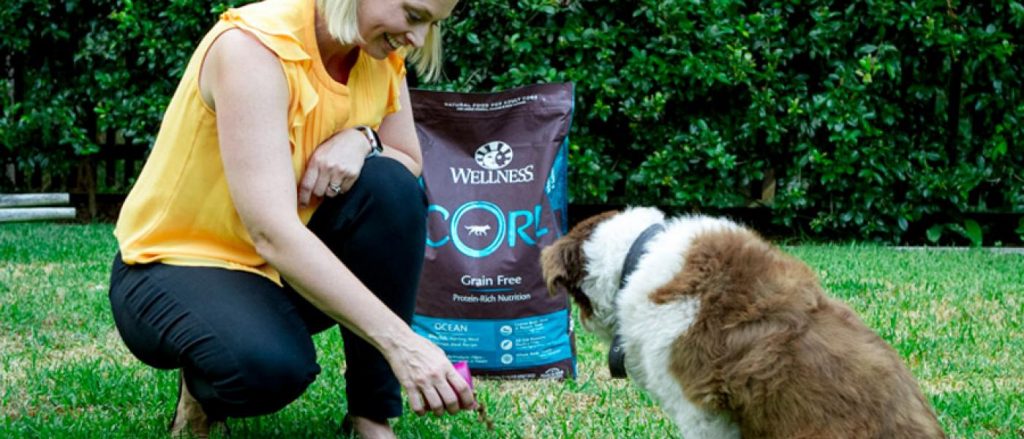
My recommendation is Wellness CORE
This brand is a grain free low carb natural diet packed with protein from fresh, wholesome ingredients you recognize and will want to feed your pet. On top of that, with one of the largest wet food offerings and 100% freeze dried meat treats, you can be assured that you are doing the very best for their health.That’s the Wellness promise.
Photo via @thechesnutmutts
Finally, get moving!
When people put their dog on a new health focused diet, they themselves lose 3% of weight!
Sometimes it may be chilly, but year-round walks with your dog will keep both of your waists trim!
For cats, exercise is more challenging, but playing more games around the house is a great start. Another idea is to move their food bowl around the house to get them moving.
Looking for a classic recipe that everyone loves? Check out our healthy version with just a few short ingredients. Guaranteed to make your pup lick her lips!
1. Add 2 oz (1/2 package) Pure Rewards to food processor and puree or grind for 30 seconds or until a rough, flaky powder is formed (some small chunks of remaining meat are okay!).
Wellness CORE Pure Rewards in food processor.
2. Lightly grease foil on a cookie sheet with the olive oil to prevent sticking, then spread sweet potato dices in an even layer. Cook at 375 for 40 minutes or until sweet potatoes are soft.
Cubed sweet potato chunks on baking pan.
3. While still warm (but not hot), puree sweet potatoes in food processor.
Sweet potato after processed.
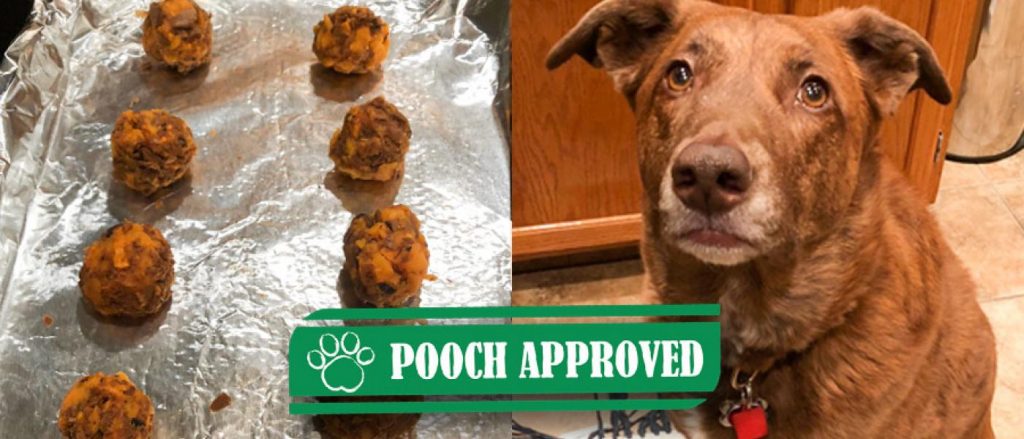
4. Mix 1/4 cup sweet potato puree and ground Pure Rewards by hand, then roll into 1 inch diameter balls. Place meatballs on cookie sheet and bake at 350 for 15 minutes.
Those look extra tasty, Mom!
Let cool completely, and store in an airtight container in the refrigerator for up to one week.
From the day you bring your puppy home to the day you celebrate their first birthday, your new puppy’s growth and development is nothing short of impressive. Starting as a tiny bundle of fluff that can barely open his eyes and growing into a whirlwind of puppy energy that never seems to sit still, a puppy in their first year achieves what it takes humans over 15 years to accomplish!
Needless to say, the first couple years of your pup’s life are pretty important! Knowing what to expect as your puppy develops will prepare you for the challenges ahead, and ensure your pup grows into a well-adjusted adult dog. Just like humans, remember, each puppy is an individual. No two puppies will grow exactly the same, even if they were from the same litter. Hence, don’t fret if your pup doesn’t hit milestones by a set date.
One important consideration—when it comes to puppies, size really does matter! Large and giant breed puppies develop and mature much slower than smaller breeds. Small and medium size breed dogs reach adulthood at one year. Large breed dogs take 18 months (24 months for giant breeds) before they reach maturity:
So what are the key stages of puppy growth and development?
Neonatal Period: (0-2 weeks)
Born with their eyes and ears closed, here is what to expect with newborn dogs:
Can touch and taste at birth but not much else, very dependent on mother
At around 5 days old they start a slow crawl
By day 10-14 their eyes open with poor vision at first. The majority of their day is spent sleeping with complete dependence on mum whose role includes taking care of all their physical, emotional and social needs from helping the puppies find milk, to keeping them warm and even helping stimulate the pups to urinate and defecate.
Transitional period (2 to 4 weeks)
Puppies start to stand and try walking
Sense of smell develops
By week 3 their ears open so hearing develops. They will wag their tail, start to bark and those first sharp little teeth can start to appear.
By the end of the transitional period, puppies should be able to use the bathroom on their own, see quite well and have truly doubled if not tripled their birth weight. A puppy’s day at this age is still closely tied to mum for nutrition but more active with bursts of enthusiastic play with their siblings followed closely by complete exhaustion and short naps.
Socialization period (4 to 16 weeks:
During these 3 months, a puppy develops their social skills and learns all there is to know about their environment making it one of the most influential periods of your puppy’s life. Much of what they learn in this period will stay with them through their entire life.
Introducing puppy to an adult dog
Tips for Socialization period:
Ensure they encounter many people, objects, sounds, dogs and situations which they may encounter in later life
Teach puppies to be content when be home alone
Do plenty of practice runs travelling in car
Vet Visit- first vaccination from 6 weeks, with follow-ups 2-4 weeks later.
Playtime with other dogs
A puppy’s interest in mum’s food starts around 4 weeks of age and progresses to be eating several small meals of their own by 6-8 weeks of age.
Practicing leaving puppy home alone
Puppy Firsts:
Selecting the best quality natural puppy nutrition is so important during this period to ensure that pups have the energy and nutrients needed to thrive. My recommendation is always Wellness CORE Puppy – a grain-free, meat- rich balanced natural brand that score 5/5 in most pet food reviews. It’s a great choice to give them the best start in life!
Lots of firsts also happen in this period—they are often adopted into their forever home from 8-12 weeks of age and housetraining often commences at the same time. Basic training can commence at 8 weeks and they should be able to easily understand simple commands such as come, sit and stay with puppy preschool from 12 weeks of age helping consolidate their training and socialization skills.
Juvenile period (4 to 6 months):
Puppies are now in their prime and a complete bundle of enthusiasm. They’re desperate to play and will seek out attention every chance they get. They exhibit an innate curiosity and “zest” for life, enabling them to take on just about everything that life throws at them. Like most adolescents, puppies in this period are highly influenced by their playmates (both dogs and people), and during these 2 months they’ll begin to understand and use ranking in terms of submission and dominance.
Keep puppies occupied during teething with chew toys
Milk teeth start falling out as adult teeth come through. They’ll need a good supply of appropriate chew toys to ensure they can relieve the teething discomfort. And chew toys will help save your furniture from some serious damage! 6-7 months: Puppies’ hormones will kick in as they reach sexual maturity. If your pup has not been neutered yet, now is the perfect time to discuss the options with your veterinarian.
Adolescence Period (6 to 18 months):
Puppies in this period are best described as teenagers who have endless amounts of energy but are starting to learn the art of matching that energy with some manners and self-control. Self-confidence levels will be high and a strong pursuit for independence will often be paired with an innate desire to be all grown up. One of the biggest responsibilities for puppy owners in this period is to ensure that all the puppy has learnt up to this point is further built upon with more training, socialization and consistency. With persistence, patience and a whole lot of love, you’ll quickly see the worst adolescence challenges pass quickly and a well-behaved adult dog will emerge on the other side.
Practicing leash walking
If not neutered, you may start to notice sexually motivated behaviours from 6-7 months such as mounting and marking. From 7 months of age in small and medium breeds their rate of growth will start to slow down and have reached their full height. Large and giant breeds will approach their sexual maturity closer to 8 or 9 months and only start to slow down their rate of growth closer to 12-18 months of age.
Adulthood (12 to 24 months):
You made it! Give yourself a pat on the back. Your pup is now a fully-grown adult and hopefully, a well-behaved member of the family. All that hard work training, socializing and bonding with your pup over the past year will have truly paid off. Don’t forget now is the time for their annual vaccination booster and also a great opportunity for an annual health check up with your veterinarian! With a lifetime of unconditional love ahead of the two of you, it simply doesn’t get any better!
New pet parents, are you interested in trying Wellness CORE Puppy for your new four-legged family member? Sign up at wellnesspetfood.com/newpet.
Meet dog lover and M.B.A student, Sarah! Sarah, originally from Connecticut, joined the WellPet Marketing team for six months in 2017 so she could learn the pet industry while working on her Masters in Business Administration. What we didn’t anticipate is how much she taught us!
Sarah with her golden doodle Ace
First Name, College & Program, WellPet Department Sarah, Northeastern University D’Amore-McKim School of Business, Marketing
Why did you choose WellPet for your Co-op/Internship? I chose WellPet because of the culture that was explained to me and the people I met with. I love the industry, and I love marketing so I thought it would be a great fit.
Any pets in your life? Yes, Ace, my 2 ½ year old golden doodle.
How did WellPet complement your education? I learned a lot from different departments that helped me to narrow down what I’m interested in doing. I loved learning about the different aspects of marketing from different people.
Describe a Wellie: Not only an employee but someone who has the WellPet spirit and is passionate about working here.
What was your favorite Wellie day? All of the Take Your Dog to Work days each month – especially the Halloween one where Ace dressed up as a hot dog.
Professionally, what did you find most useful about your Wellie experience? Working with knowledgeable people. Access to a lot of different people, even Camelle and Lisa being in meetings and learning from them. Working on projects people care about, and feeling like I was making a difference.
Do you see yourself as a future Wellie? Yeah, definitely. I love the people, so passionate about the industry and the work we do, it’s exciting to be here.
What advice do you give future Co-ops/Interns? Get to know people and learn about them – it was fun to socialize and make friends who I’ll keep in touch with even when I leave.
In 2017, the top diagnosis made by US Veterinarians for dogs was dental disease, a problem so widespread it now affects 4 out of 5 dogs over three. Contributing to this epidemic is the lack of daily dental care for dogs, the increase of small breeds and older dogs that are more predisposed to dental issues and the assumption that visible signs of dental disease, like bad breath, are normal.
Dog owners used to believe that occasionally giving a dog a bone to chew was all the dental care dogs needed. Today, we know so much more about the importance of oral care for dogs and understand that a dental health program that includes both professional veterinary care as well as at-home daily dental care is crucial to a healthy mouth and a happy dog.
There are a lot of factors to consider when deciding upon oral care for your dog. Here’s the latest scientific evidence and everything you ever wanted to know about your dog’s teeth, including those questions which you may have been too afraid to ask before:
Are People Dental Issues the Same as Dog Dental Issues?
Tooth decay is not common in dogs: Dogs do not typically develop cavities from tooth decay like people because of the shape of their teeth, the pH of their saliva, the type of bacteria in their mouth and the types of food they consume.
Periodontal disease is very common – 4 out of 5 dogs! Dogs are very susceptible to periodontal disease and tooth loss.
Periodontal disease affects not only the gums, but the supporting structures of the tooth. It is caused by a buildup of plaque and tartar on the surface of the teeth and under the gums. Plaque is the soft, clear or cream-colored biofilm deposit that naturally forms on pets’ teeth. Plaque is made up of large amounts of bacteria with additional particles of food, protein and cellular debris. If plaque is not removed by brushing or active chewing, minerals, primarily calcium, in the dog’s saliva stick to the plaque biofilm and it develops into tartar.
Tartar is the hard yellow/brown material that resists removal and is found below and above the gum. As plaque and tartar levels increase on the teeth, bacteria accumulate around these deposits causing periodontal disease to intensify and cause associated periodontal inflammation visible most frequently at the gum line.
How Do I Know if my Dog Has Dental Disease?
That doggy breath is your biggest clue! Periodontal disease in dogs causes inflammation of the gums, infections, mouth pain and loss of teeth. If a dog is suffering from dental disease, owners will notice that their dog has bad breath, discoloured teeth, red and inflamed gums and may show a reluctance to eat or pain while eating.
Flip your dog’s lip and have a look at their teeth. What can you see? Do your dog’s teeth look pearly white or slightly discoloured with some yellowing visible? Or do you see a case of significant brown deposits sitting on the molars combined with red and inflamed gums?
If you see any brown deposits or red gums, contact your local veterinarian. Your vet is the expert when it comes to dental health so make the first step to improving your dog’s dental health. A quick phone call to book your dog for an annual health and dental check could do just the trick!
What Can I Do to Help My Dog?
Regular checkups with your vet are essential to a healthy dental routine but like people, dogs need to have their teeth cleaned at home every day. Plaque accumulates every minute of your dog’s day and within just 48 hours this plaque starts to harden into tartar, which is much tougher to remove. When the surface of a dog’s teeth is mechanically abraded (scrubbed!) with a toothbrush or dental chew, this helps remove plaque buildup and reduces the overall progression of dental disease.
Have you brushed your dog’s teeth today?
After a professional veterinary cleaning of your dog’s teeth, brushing your dog’s teeth is the next best option to promote your dog’s dental hygiene. However, we understand brushing a dog’s teeth is often not easy or enjoyable, for you or your pup! It’s estimated that only 2% of dog owners brush their dog’s teeth.
For the 98% of us that don’t brush our dog’s teeth, the easiest way to help remove plaque and tartar from your dog’s teeth is to give them a scientifically proven dental chew like WHIMZEES are 80% more effective at reducing plaque than leading competitors and have a 3x longer chew time to help clean those hard-to-reach places (January 2017).
Available in sizes XS to XL, unique shapes such as Alligators, Hedgehogs and the latest evolution of the toothbrush, Brushzees, there’s sure to be a WHIMZEES to keep your dog happy and your dog’s mouth healthy.
A well-trained puppy with great social skills in guaranteed to have a great social life because good manners opens doors ensuring he will be welcome everywhere.
Start Training Early
It’s important to start young. Dog trainers say that the puppy stage between five weeks and twenty weeks is critical because that’s when the dog sets its attitudes towards how it reacts towards other dogs and people. Positive interactions and experiences at this impressionable age means you are giving your dog great social skills that it will be able to carry forward into adulthood.
A good book on raising puppies will offer lots of excellent tips but it’s also a great idea to enroll him in a puppy class with a professional trainer. Not only will your pooch learning the basics but it’s a great opportunity to make friends with other dogs in his class.
Stay Consistent
When it comes to training, puppy basics actually apply to the person on the other end of the leash too. So, it’s important to be consistent and re-enforce what you have learned in class in your home environment. This means that one member of the household must be the designated in-house trainer.
Re-enforcement and encouragement should be in the form of verbal praise such as phrases like “good job!” and “well done” and further reinforced with a yummy training treat. Remember treats have calories and should be a portion of your dog’s daily diet. So be sure to manage the calorie count! You can treat with small chunks or carrots, celery and cucumber too.
Reward for a Job Well Done
Toys also make great training tools to teach young puppies basic commands and good manners. It’s a good idea to let your puppy “audition” a variety of different toys in order to select a favorite. Then when you bring it out, he will automatically be keen to play – and learn.
The texture of the toy is very important. So is the shape and any sounds it makes. It also needs to be lightweight and the right size so that your puppy can comfortably pick it up and carry it around. Fortunately, many toy manufacturers spell out the elements and benefits of their toys on the packaging and this will help with your final selection.
Socialize Your Puppy
Taking your puppy with you to a variety of different places is a great way to socialize him and make him feel really comfortable around both other pets and people.
Dogs are very empathic creatures so, they can read your feelings. That’s why it’s important not to be nervous when taking him out and out to test his skills. He will quickly know whether you are or aren’t in control!
Of course, there are going to be puppy accidents and he’s going to try and win you over with those big doleful puppy eyes, but it’s important to be firm, with an understanding tone in your voice and always remain positive. Puppies are no different to children, they know how to subtly manipulate you.
Your local pet boutique or pet supermarket is a great place for an outing to meet other dogs and owners. Because people come and go, it’s never too overwhelming for a young dog. Just walking around is a great way for a puppy to learn about new smells, noises and even about walking on slick store surfaces.
Some stores actually host play date afternoons, giving puppy owners the opportunity to meet and mingle – and talk about their pups and make new friends on both ends of the leash.
A new puppy! Get ready for a rollercoaster ride of fun as your exuberant pup turns your home and yard into an exciting adventure playground seeking out fun stuff to explore — and chew.
Puppy Proof Your Home
Just like small children and crawling babies, puppies are driven by curiosity.
Before you bring your new friend home, it’s a good idea to scan your house and garden from their view point by getting down on your hands and knees. Everything looks very different from a puppy’s ground-level perspective.
This will highlight hidden dangers within a small dog’s reach such as gaps behind furniture and appliances where an exploring puppy can easily get stuck and hurt.
Consider a laundry basket and trash cans with lids so that the respective contents don’t get chewed, as this can be very dangerous. Now you have a real excuse to put your shoes away and not leave them lying around, especially ones with laces.
Remove items of jewelry along with hair accessories, medication and creams and any other small objects from nightstands, as they are all potential hazards. Never empty pockets of coins and leave them lying around anywhere because the metals can be toxic if ingested. Instead load up a decorative piggy bank with small change and, when its full, spend the cash on a fun new doggie accessory or toy.
Make sure no shopping bags are left lying around especially plastic ones.
And, on the subjecting of shopping bags, a new puppy calls for a shopping spree in advance to ensure that you have all the right accessories, toys and food before you bring him home.
Basic Shopping List
Crates
By nature, all dogs have a denning instinct and a crate simulates this basic need and allows your puppy to have its own personal space.
There is a large selection of crates made from wire or plastic compositions in all colors. Select a size with your full-grown dog in mind and ensure it has a divider so you can initially create a puppy space and enlarge it as he grows. Also consider a two-door design to give you better access according to where its positioned in the home. To create a proper doggie den, kit it out with accessories including comfy mattresses, and foam bumpers similar to what you’d put in a baby’s cot.
Food and Water Bowls
There is no shortage of stylish food and water bowls that will slot in beautifully with your home décor. Stainless steel, glass or ceramic bowls are hygienic because they as dishwasher safe and thus easy to keep clean. Look for styles that have a rubber ring on the bottom so that your puppy can’t move it around the house.
Many veterinarians consider raised food bowls a good idea because the standing position for eating aids digestion. There are numerous models on the market with telescopic legs so that you can increase the height as your puppy grows.
A drinking fountain is an excellent idea to ensure that your puppy as a constant supply of fresh running water. This will replicate running water that dogs would drink in the wild and will ensure he stays properly hydrated.
Food and Treats
If you adopted your puppy from a shelter, the chances are you have been given a bag of the food he has been fed to date. A healthy grain-free diet will help keep your growing dog healthy and glossy. There are special puppy diets to help with growth. And, if you are planning to transition over to a new recipe, do it over a period of a week to 10 days. This way you will avoid any dietary issues such as a runny tummy that can occur if you switch over too quickly.
Look for low calorie treats and experiment with different flavors and textures to see what your pooch enjoys. Treats are a great training tool when you get ready to work on his social skills.
Toys
Stocking a toy box is something that you can do over time as all dogs need action, distraction and comfort toys. But initially, get your puppy something plush that he can sleep. Go for something cuddly but chew-resistant with lots of squeakers to ramp up the fun with and also purchase some fun non-toxic throw toys.
Joining a family can be very overwhelming for a puppy. So, it’s a really good idea to create a space for him in one room of the home with all his new accessories. And make it somewhere quiet too. Another good excuse to tell teenagers to turn that music down! Make sure the crate is not near a draughty door or window.
It takes time for a puppy to get acclimatized so take it slow with family introductions. Initially, do it one person at a time and supervise the meet-and-greets if small children are involved. This way everyone in the household can begin forming great friendships from the start.
Stress. We hear that word often as it relates to humans but it can be a big problem for cats as well. While stress can’t be totally avoided in life and a certain amount is necessary to help us all survive (Acute stress triggers fight or flight response), we can limit how much cats endure.
Types of Stress in Cats
Acute stress:
This is something cat parents more easily recognize in cats. Just picture your cat on the veterinarian’s exam table or remember the day you brought home a second pet or moved to a new house.
Chronic stress:
This can easily be overlooked. This is the day-to-day stress that a cat may experience from any number of causes. Behavior may change so gradually that cat parents miss things such as change in activity level, appetite, grooming habits or litter box usage. Short-term stress is something the body is equipped to handle but long-term, chronic stress can play a major role in the onset of behavior problems and even disease.
A Veterinary Check-up Comes First
Granted, a trip to the veterinarian is often stressful in itself, but if you notice a change in behavior, weight, appearance, litter box habits, appetite, or water consumption, have your cat checked out. Don’t skip this all-important first step.
Reducing Your Cat’s Stress
Here’s a list of 10 tips to guide you on ways to reduce some common stress triggers.
1. Maintain Your Cat’s Health
Don’t skip annual veterinary wellness visits. Catching a potential medical problem in the early stages increases the odds of successful treatment and maintenance. Also, keep up at-home health routines such as good nutrition, parasite control, dental care, grooming and nail care.
2. Less-Stressful Veterinary Visits
Stress is one of the most common reasons cats don’t see the veterinarian as often as dogs do. You can reduce that stress in a few easy ways. First, get your cat comfortable with the carrier. Leave the carrier out and periodically toss treats near it. This helps take the fear out of the carrier’s presence. When going to the veterinary clinic, bring an extra towel which can be used to cover the carrier opening to give kitty more privacy. When sitting in the waiting room, hold the carrier on your lap or on the seat next to you. Avoid placing the carrier on the floor since that can be more stressful. If you have a carrier where the top can be detached from the bottom, during the exam you can let your cat remain in the bottom part.
3. Consistent Cat Training
Reduce stress by making sure everyone in the family is on the same page with training. For example, if kitty isn’t allowed on the table by one family member but is permitted by another, it sends a confusing and stressful mixed message. Train with kindness and consistency.
4. Create a Peaceful Mealtime
It starts with feeding a high quality food that’s appropriate for your cat’s age and health. Next, create a peaceful mealtime setting by keeping the feeding station clean and inviting. Use a food bowl that’s a comfortable size and shape and doesn’t cause your cat’s whiskers to get squished. Locate the feeding area in a quiet place that’s free from sudden noises. Place food and water a little distance apart as many cats don’t like water right next to food. In a multicat household, give each cat an individual food bowl because cats aren’t social eaters. You can discourage one cat from nosing another cat out of the bowl if they each have their own separate dishes. If necessary, feed cats in separate rooms to reduce stress.
To encourage successful mealtimes, add a grain-free topper like CORE Simply Shredsto your cat’s meal.
5. Your Cat’s Social Interaction
Never force your cat to interact. Let kitty set the pace of how much he wants to engage. Don’t insist on holding or petting your cat if he doesn’t want it. If he doesn’t mind being held, always put him down before he starts to struggle. Keep the experience positive. You can give him incentives to be more sociable, such as offering a treat or playtime, but always let it be his choice of whether to accept or decline.
6. Happy Litter Box Set-up
Make sure the litter box is the right size and type for your cat. It should be 1 ½ times the length of your cat from tip of nose to base of tail. As for litter, most prefer soft, sandy, scoopable litter. Texture is important to cats. Scoop the litter box at least twice a day to ensure there’s always enough clean area for elimination. Locate the box in a quiet spot that’s convenient and comfortable to access. In a multicat home, provide numerous litter boxes scattered throughout the house so one cat doesn’t have to cross another cat’s area. The general rule is to have one more box than number of cats.
7. Environment and Resources
Cats live in a vertical world. Provide cat trees, perches or other elevated locations to create security and comfort. Cats also like to alternate between being hidden and being visible. Offer hiding places for those times when kitty wants to watch the household goings-on as an undetected spectator. Indoor cats have to share overlapping territories so reduce stress by making sure each cat has comfortable places for napping, hiding and resource availability within their preferred area. This can go a long way in increasing multi-cat harmony.
8. Cat Communication
Cats are masters of communication and just their body language alone can tell you so much about what’s going on inside their heads. Observe your cat’s body language and become educated about whether he’s saying I’d rather not be disturbed now or please play with me.
9. Stress-Reducing Playtime
Playtime is more than just fun and exercise. Playtime releases good brain chemicals and helps a cat develop positive associations with their environment and people around them. Playtime is beneficial to reducing stress on an everyday basis as well as when you’re dealing with a particularly stressful event. Engage in interactive playtime daily and also create fun activities for your cat for when you aren’t home. This can involve puzzle feeders, tunnels and other activities to keep your cat stimulated.
10. Less-Stressful Life Transitions
Cats are creatures of habit but unfortunately, life is full of changes. Some changes are unavoidably sudden but if there’s an upcoming anticipated change, ease your cat through it gradually. Whether it’s the addition of a new baby, new cat or any other disruption in his normal routine. Go at a slow pace and let him take small steps through the adjustment. Your cat will appreciate the extra effort made to help him through life’s surprises.
This Valentine’s Day, how far will cats go to get a taste of their favorite crunchy, savory, lip-smacking treats? Here’s an idea how far…
1. They’ll guard them
2. They’ll snuggle them
3. They’ll defend them
4. They’ll socialize for them
5. They’ll stretch for them
6. They’ll steal them
7. They’ll pose with them
8. They’ll paw them
9. They’ll whisper sweet nothings to them
.
10.Cats just LOVE their Kittles!
So treat them!
Pick up a bag of Wellness Kittles at PetSmart, Petco or your local pet store, or online at Amazon.com or Chewy.com. Then tag your cat enjoying their Kittles haul with #wellnesspetfood for a chance to be featured in an upcoming post!
The technical storage or access is strictly necessary for the legitimate purpose of enabling the use of a specific service explicitly requested by the subscriber or user, or for the sole purpose of carrying out the transmission of a communication over an electronic communications network.
Preferences
The technical storage or access is necessary for the legitimate purpose of storing preferences that are not requested by the subscriber or user.
Statistics
The technical storage or access that is used exclusively for statistical purposes.The technical storage or access that is used exclusively for anonymous statistical purposes. Without a subpoena, voluntary compliance on the part of your Internet Service Provider, or additional records from a third party, information stored or retrieved for this purpose alone cannot usually be used to identify you.
Marketing
The technical storage or access is required to create user profiles to send advertising, or to track the user on a website or across several websites for similar marketing purposes.