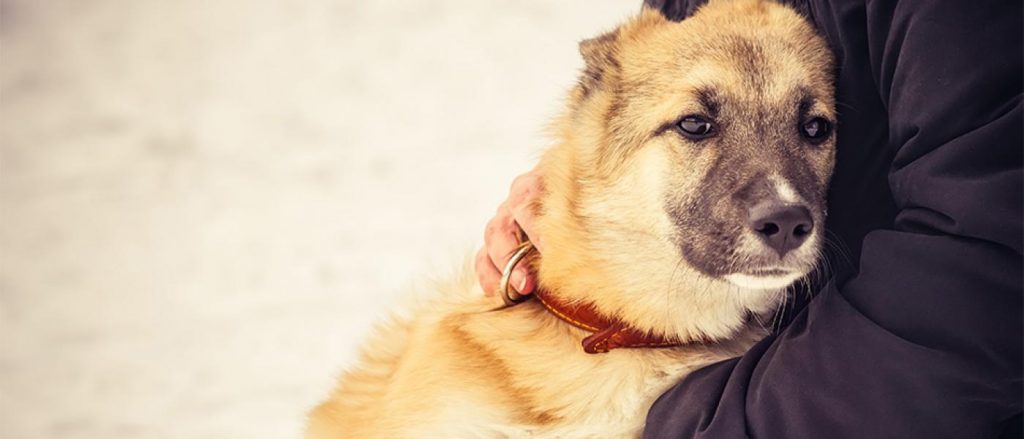
Everyone needs some help once in a while. This holiday season, we teamed up with PawPack andFeeding Pets of the Homeless to donate over 8,000 cans of pet food to 13 different homeless shelters across America. PawPack captured the donation in this moving video:
Pets of the Homeless is the only national animal organization focused completely on feeding and providing emergency veterinary care to pets of the homeless. Learn more here.
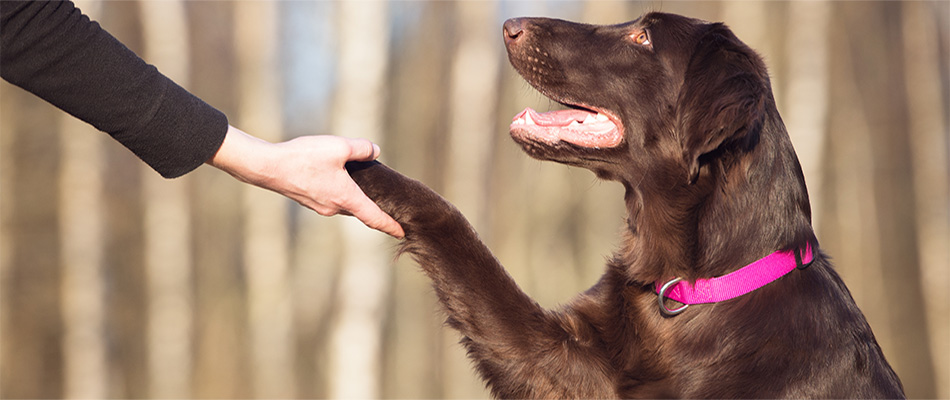
Sit. Stay. Everyone wants a well-trained pup that sits on command and walks well on the leash. They’re a pleasure to be around and you can take them more places. And since January is National Train Your Dog Month and it’s the promise of a new year, there’s no time like now to create a plan for a better-behaved dog.
Dog training starts with time and patience. And treats. Lots of treats. Your goal is to get Max to anticipate tasty rewards for good behavior.
You don’t need hours every day either. A few minutes at a time will go a long way. In fact, daily practice will help solidify the principles you want your dog to learn. If you hire a dog trainer, they’ll usually come once a week and show you what to do in between sessions. For example, if you want to train your dog to walk calmly beside you, many dog trainers recommend leashing your pet and feeding a high value treat when your dog is calm. Even if your dog is typically filled with energy, at some point, there will be a lull in the craziness and that is the time to say, “yes!” in an excited tone of voice and give your dog a treat.
That means, if you’re walking and the leash is slack – no pulling – then you can reward your dog over and over with both vocal praise and treats which will keep your pet paying attention to you.
Small Treats are Great for Training
If your dog is like most, you’re going to go through a lot of treats, so it’s best to choose smaller treats or soft , larger treats you can easily break into smaller pieces. You can ensure your pup learns their commands and while keeping calories in check with these nutritious, grain-free-free options:
2. Wellness WellBites Turkey & Duck Treats. If this particular flavor doesn’t suit your dog, there are several other savory options. Easily rip or cut these treats into smaller pieces for more training power!
When you take the time to train your dog, you’ll have a well-mannered pooch who sits instead of jumps and looks to you for guidance in unfamiliar circumstances. It’s gift to everyone when you help your dog live up to their full potential. After all, dogs don’t naturally understand our “rules” so it’s up to us as pet parents to help them learn. What will you train your dog on this month?
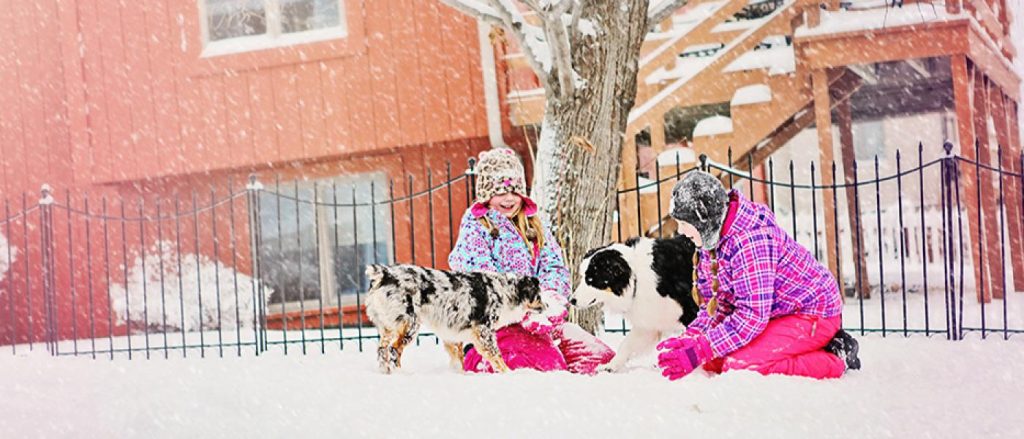
Dropping temperatures often means you and your pets may find yourselves indoors more than usual. The month of December can also present unique challenges for young or “new to you” pets in terms of schedule changes and holiday decorations. With the first day of Winter approaching (Dec. 22) it’s also “Keep Pets Safe in Winter Day.” It’s a reminder to us of the hazards of the season. You may think of the usual outdoor concerns such as making sure your pets steer clear of antifreeze and chemical de-icers – more on those in a minute – yet the indoor arena presents its own challenges. Cords, Gift Wrapping and Tinsel – It Must Be the Holidays! If you have older pets who have been with you through multiple holiday seasons, they may snooze through the gift wrapping and guests with barely a raised eyebrow. On the other hand, if you have young pets, or even “new to you” pets, you’ll want to take precautions as you see how they behave. Christmas Trees – Talk about excitement and confusion. You’re bringing a tree inside and hang it with shiny objects that swing about when batted. It smells good, it’s unusual and you’re giving it a lot of attention.
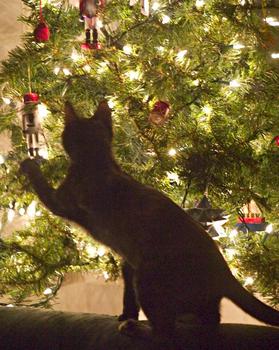
All of that makes it of interest to some pets. That interest may range from kittens batting ornaments off of it to jumping into the tree. Dogs may be delighted that you’ve brought them indoor plumbing. Only they know what goes on in their minds. Until you know your pet’s reactions, here are a few precautions.
Leave low branches empty — Don’t hang ornaments on low branches where they may tempt your furry friends to chew on them or knock them onto the floor. Delicate ornaments can break and cut your curious pets.
Don’t leave them unattended — Make sure your pets can’t access the tree easily when you’re not home. I’m sure you’ve heard of at least one story of a pet knocking over a Christmas tree. Or dogs who’ve chosen to forget their indoor manners – if you know what I mean.
Don’t use tinsel in your decorations. Animals who chew on tinsel can end up at the emergency vet. Why? Because the strands can twist around their internal organs and cause major damage. It’s not worth the risk.
Other Potential Indoor Hazards
Open flames from candles – keep them out of the way of wagging tails and curious kittens. It only takes a second for a disaster to occur.
Extension cords or electric throws/blankets – Chewing electric cords can electrocute your pet. Veterinarians say it’s quite common so please make sure your pet doesn’t have access to these.
Space heaters – Pets get too close and get burned. It’s also easy to knock over space heaters which can even start a fire. Use them with caution and only when you’re home.
Brrr…It’s Cold Outside
When the temperatures settle in the low ‘30’s or below, there are dangers of the elements for both humans and pets. Earlier I mentioned the dangers of antifreeze and chemical de-icers.
You may be familiar with these but in case you’re not, it’s important to realize the hazards.
Antifreeze is a magnet for pets. They like the taste of it and it’s poisonous. So make sure that the lids are on tight and out of reach of curious pets. It’s also important to clean up any antifreeze that may spill or leak from your car as it doesn’t take much of the stuff to trigger a reaction – especially in small animals.
Paw Pads take a beating. They’re exposed to the elements outside which means snow and ice crystals can lodge themselves deep in the nooks and crannies of your pet’s paws. So can chemical de-icers which you or your neighbors may use to keep your steps, driveway and sidewalk clear of ice.
The de-icers themselves are usually made of calcium chloride (a form of salt) which can burn your pet’s paws – and mouth when they lick their paws clean.
Your best protection is to use a combination of dog boots and to rinse off your dog’s legs and underbelly (if your pet has long fur) when you come in from outside. A towel, a brush and a pan of warm water (for legs/paws) will help keep your pet clean and free of harsh chemicals. It won’t, however, prevent your pet‘s paws from dryness. For combating dry and flaky paw pads, a pet safe moisturizing balm is useful.
Dog Coats and sweaters benefit short haired dogs. Short haired dogs don’t have the extra fur of winter breeds to keep themselves warm so they’re at a disadvantage. Sweaters and dog coats come in all sizes. Even your Mastiff can stop shivering and stay warm in the winter with an extra layer.
Be Visible – The winter darkness puts you and your dog at risk when you’re walking. Use a reflective leash or winter clothes with reflective stripes to stay visible to cars, bikers and other pedestrians.
In extreme temperatures, frostbite and hypothermia can affect your pets. In such weather, your best bet is to protect paws with dog booties and keep walks short. How will you protect your pets this winter?
Pumpkins, scarecrows and goblins, oh my! Halloween is upon us and this holiday is one that is fun for everyone – including our four-legged friends! Pet owners all across America look forward to this holiday and many spend hours upon hours picking out the perfect costume for their pets. How do you celebrate Halloween with your pet? We’ve got some tips on how to have a fun and safe Halloween with your pet!
The Costume Factor If you have a pet that doesn’t mind suiting up in a festive Halloween costume, then you should consider yourself lucky! Not all pets will be jumping at the chance to wear a costume, so it’s important to make sure that you don’t force your pet to wear something that they aren’t comfortable in. Your pet can participate in the festivities simply by wearing a fun Halloween bandana. Be sure to consider safety issues when choosing a costume for your pet. Your pet should be completely comfortable in their costume.
Trick or Treating Whether you are going out trick or treating or staying home to give out candy, keep your pet’s safety in mind! If you bring your pet along for trick or treating, make sure they are on a leash the entire time. If it’s dark outside, your pet should be wearing some type of reflective gear so that they are noticeable to all drivers. Don’t let your pet leave home without their ID tag – you never know when they could get away from you. While at home giving out candy, take extra precautions to make sure your pet doesn’t slip out of the door when trick or treaters arrive. If your pet is known to be an escape artists, it’s probably best to keep them in a secure area during this time.
Speaking of Treats… What’s the first thing you think of when it comes to Halloween? Candy! Dentists everywhere cringe at the thought of what their patients are indulging in on this particular holiday. While candy isn’t really good for anyone, it can be even more harmful to our pets.
Keep all Halloween candy in a safe place where your pets cannot get to it. There are some candies that can be fatal to your pet, especially in large doses.
That doesn’t mean that your pet can’t have any treats on Halloween! Pick up some special Halloween treats for your pet so they don’t feel left out while everyone else indulges in their favorite candy.
Community Events There are always some fun events going on in the community during Halloween, and some events are even catered specifically to our furry friends! These events are a great chance to get your pets out and allow them to socialize.
Pet Parades: We love a good pet parade! Whether your pet is dressed in full costume or simply sporting a spooky bandana, pet parades are a fun way for your furry friends to get some good exercise and socialize with other pets.
Costume Contests: What could possibly be better than a bunch of adorable dogs (and cats) dressed in funky Halloween costumes? If your community is hosting one of these events, you certainly don’t want to miss out! Your pet doesn’t have to be dressed up to get in on the fun! Again, if you take your pet out to any events in your community, keep their safety in mind. Make sure they are on a leash and they are wearing proper identification at all times.
Halloween can be such a fun holiday for the whole family, but it can also be a nightmare if you aren’t looking out for your pet’s safety. Take these tips into consideration and you and your pet are sure to have the “Purrfect Howl-o-Ween!
Calling all cat lovers! October 29th is National Cat Day and we couldn’t possibly be more excited to celebrate. Their quirky and loving ways are unlike the characteristics of any other pet that you may have. Cat lovers know that the presence of a cat in their life is irreplaceable by any other pet. Well, in celebration of National Cat Day, we’re taking a stab at interpreting the complex minds of our furry cat friends and letting you in on some things that your cat has been dying to tell you – if your cat could talk, these are some things that he might say.
“I love you, but I need my space.”
If there is one thing that we know about cats, it’s that they are far less needy than the other pets in the house. They don’t need the constant attention and affections that some pets (ahem, dogs) sometimes need. There are some moments in which they love nothing more than to be curled up right beside you on the couch, and other moments in which they disappear into one of their secret spots and prefer not to be bothered (or found).
“Excuse me, the litter box isn’t going to clean itself.”
I mean, our cats do us the honorable service of basically training themselves to use the bathroom in the appropriate place, without any help from us. So, the least that we can do is keep their litter box clean so that they can continue to make our lives easier. Trust us, there are consequences for not keeping the litter box clean, but the fault will be all your own.
“The dog can stay, but don’t tell him I said that.”
Cats may not want to admit it, but they have a love/hate relationship with the dog of the house. They may act like the dog is the pain of their existence, but there is a love that exists between them deep down. Now, there are exceptions to every rule and sometimes the two pets simply cannot coexist together, but sometimes we think that it’s all just an act. We would be willing to bet that when no one is at home, Fido and Garfield are taking cozy naps together.
“Cats like treats too, you know.”
We’ve all been guilty of it – we go to the store and buy dog treats in five different recipes, but we don’t even venture over to the area where the cat treats are located. I mean, are cat treats even a thing? Well, our cats are here to tell us – yes, cat treats are most definitely a thing. In fact, Wellness offers cat treats in all different recipes and varieties, so give your cat something to purr about and surprise them with a brand new bag of delicious treats. No wonder cats have so much built up resentment towards dogs, right?
“Are you kidding me with that red laser light?!”
Now this is a game that we all have likely played with our cats. The ole laser light on the wall game. This game will send your cat into a complete focused frenzy where all they can think about is capturing that evil red light and destroying everything in their path while doing it. It’s hard to really tell, do our cats love this game or do they hate it? I guess we will never know, but the exercise has got to be good for them, right? So, grab some catnip and a laser light and make sure someone is ready with a camera – this is going to be good.
Is your pet having difficulty adjusting to the new fall schedule? Maybe he’s eyeing you with panic as you get ready to leave the house? Separation anxiety isn’t only relegated to pets who’ve had a difficult background. It can also affect them when there’s a big change in schedule – such as the kids going back to school. If your pet has gotten used to people being home all the time and now they aren’t, it can cause upset and concern. Muffin doesn’t know it’s simply the time of the year, all Muffin knows is people were around and now they’re not and it often means long hours alone. Sometimes, separation anxiety can show up as extreme panic. Symptoms of Separation Anxiety
Excessive barking
Whining
Urinating or Defecating Inside (Only when you’re not around – otherwise they’re house-trained)
Scratching at doors/windows
Destroying Things
If your usually calm dog is now destroying furniture or eating his way through a door, you have a severe case of separation anxiety on your hands. How to Deal with Separation Anxiety
According to The Humane Society, crating won’t help and can make it worse. Punishment also won’t work. In some cases, you may need a calming drug. Talk to your veterinarian about the possibilities on the market. There are many anti-anxiety drugs available.
Don’t fuss over your pet when you leave or come home. Instead, calmly step out the door and when you return, ignore your pet for a few minutes (as best as you can) and then give a small pat or scratch behind the ears.
Confine your pet to a laundry room or another space where he or she can’t inflict damage.
Leave a “scented” shirt or other dirty laundry item with your pet. As you know, dogs are highly focused on scent and your familiar smell can help calm him.
Give your pet toys that will keep him busy, for example, a peanut butter stuffed Kong. However, it extreme instances your pet may not touch it until you return.
Calming scents like lavender can help. You can spritz it in the room and around your pet’s toys/bed.
If you can take your pet to doggie day care or to work with you, that will ease the stress. The whole point is that your pet doesn’t want to be left alone.
According to The Humane Society, crating won’t help and can make it worse. Punishment also won’t work.
How Do You Know if Your Dog Is Experiencing Separation Anxiety or Just Bored? Bored dogs can be destructive and howl the day away. But their symptoms usually disappear if they get enough exercise – depending on the breed, that can mean a 10 mile run every day. Separation anxiety is more like a panic. If your dog gets visibly distressed while you’re getting ready to leave the house…that’s classic separation anxiety. If you watch closely you’ll see the difference. You can try taking your pet out for a longer walk before and after work and seeing if that helps. A mid-day dog walker can relieve both bored dogs and give an anxious dog a break. You can also offer your pet a favorite treat before you leave. Often, a dog experiencing panic at the thought of being left alone will ignore it. They’re truly terrified about being alone and even a favorite treat won’t sway them. What about your pet? Is he or she showing signs of separation anxiety?
A hidden gem, a diamond in the rough, the four-legged prince (or princess) among thieves – the mutt has found its place in the dog world. What used to be thought of as a derogatory term, the “mutt” is now something to be celebrated. Shelters around the country harbor many of these gems – sitting undiscovered, waiting to pick their perfect human family.
The Best Kept Secret: Why You Should Rescue a Mutt
The real question to be asked is, “Why would you not rescue a mutt?” Animal shelters are known for harboring the mutts of the dog world, the diamonds in the rough.
No one expected that the dog in the third kennel down on the right, that looks to be the perfect mix between a Corgi and a Jack Russell Terrier, would bring life into the home of a husband and wife struggling with conception.
Who would have thought that the Golden Retriever and Border Collie mix with bright blue eyes, would be the missing puzzle piece of motivation for his new owner with dreams of running a marathon?
The Pit Bull mix that sat quietly in the corner, in the very last kennel on the left: her owners would tell you that she is the most loyal dog to ever enter their home, and that taking a chance on her was one of the greatest decisions they have ever made.
There truly is no greater love and appreciation than that of a dog who has been rescued, but their owners will inevitably begin to ask themselves the question, “Which one of us is really being rescued here?”Rescue a mutt from your local shelter and you will officially be in on the secret. Here is a not so subtle hint: It’s both of you.
This Mutt’s For You
No matter the breed, making the decision to bring a dog into your life and home is not one to be taken lightly. There is indeed a perfect mutt for your family, but there are things that deserve your careful consideration. Lifestyle, space in your home, and breed characteristics are all things that factor into finding your ideal four-legged companion.
What does your Saturday morning look like?
Do you wake up, eat clean and jump on your mountain bike, or maybe pound the pavement in an early morning run? There is a Labrador and Boxer mix somewhere, dreaming of the day he can join you.
Do you like to curl up on the couch with your coffee and a good book, or even indulge in one of those guilty pleasure television shows? There is a Shih Tzu and Poodle mix somewhere that would love nothing more than to make a cozy spot right next to you. That’s one of the good things about dogs: they won’t tell anyone how much you love The Real Housewives.
A Happy Home
Larger breed dogs with a high energy level are not going to be happiest cooped up in a one bedroom apartment in the city, unless maybe you have them trained to do your Starbucks coffee run each day. . .multiple times a day.
On the other hand, a dog with a lower energy level will be happy with a more low-maintenance, leisurely schedule: even if that schedule consists of hours of mindless television in your one bedroom apartment.
The dog that you bring into your home should be a direct reflection of your lifestyle, and your home should appropriately accommodate his or her needs.
Breed Characteristics
Animal shelters are filled with mixed-breeds of many kinds, and the beauty of the mixed-breed dog is even better odds of finding the perfect mutt for you. Mixed-breed equals a broader gene pool, and once you discover what characteristics fit best into your life, the shelter is the right place to begin your search.
For example, any breed mixed with a poodle would be a good fit for someone with a mild pet dander allergy, as poodles tend to be hypo-allergenic.
Likewise, a dog that appears to be a mix of Labrador and Border Collie, may have the friendly disposition of the first and the whip-smart agility of the second.
No one is trying to take anything away from the purebreds of the world. However, it is time for them to scoot over and make a sunny spot for their equally adorable furry friend, the mutt, because all dogs deserve their day in the sun.
Whoever said money can’t buy love never paid an adoption fee!
I am so grateful for the Blue Ridge Humane Society who saved Japhy from a hoarding situation. He lived there for several months when my fiancé and I came by looking for a border collie I found online. He was sitting quietly on a cot in the very last kennel when we locked eyes and I fell in love instantly and even more so, loved that his tail wagged in circles like a propeller!
We adopted him a little over six years ago and while I knew that we were quite possibly saving his life, it is him that has changed us beyond anything I ever imagined possible. From the moment our eyes connected at the shelter I knew that he was special. His happiness is contagious and his love for the outdoors fuels mine. It doesn’t matter where we are or what we are doing, as long as we are together.
@blueridgemutt
Japhy enjoys many things, but he’s happiest outside on the trail. Hiking allows us both to get some exercise while reinforcing the bond we share. My favorite part of hiking with him is that he brings me deeper into the adventure. Recently, we were walking through a wilderness area on an old logging road. As we were passing through a large meadow, I was distracted by the views of the Blue Ridge Mountains. But I noticed Japhy’s stance change. He smelt the air, then his ears shifted. At that moment, I saw it, about 100 feet away, a beautiful deer. He was watching us, but I hadn’t noticed.
That experience, one that I would have surely missed if not for Japhy, is forever etched in my mind. He was rewarded with his favorite treats. Not only for bringing the deer to my attention, but mainly for staying by my side and not chasing the wildlife!
@blueridgemutt
Food has been a big part of our journey together. Coming from a hoarding situation, in the early years Japhy would hide his food around the house before eating it. Some days he wouldn’t eat at all. Knowing how important breakfast is, especially on days we were hiking, I constantly worried. After a lot of trial and error, plus a recommendation from our vet, we found that he loves Wellness Pet Food, especially the Wild Game recipe. Japhy’s finally on a routine of waking up, eating breakfast and depending on the day of the week, he either goes back to sleep or we leave for an adventure. Adventure days are the best days because we get to eat our lunch on top of a mountain or next to a waterfall.
Japhy brings me more joy than I ever imagined possible. Not only is it the best feeling opening the door to be greeted by his excitement and love, but when I’m feeling down he’s always there to comfort me and make me smile. He does this thing where he just exists and everything’s better! He has shown me the true meaning of unconditional love and is my best friend, constant happiness, and motivation. I want to give him the best life possible because that is what he has already given me.
@blueridgemutt
Follow more of Japhy’s adventures on Instagram @blueridgemutt and tune in for #NationalMuttDay takeover on @Wellnesspetfood on July 31st!
Do you have a first aid kit in your home? Do you have another one in your car? Do you have pet first aid supplies in it too?
It’s a good to be prepared. Some supplies can be used for both pets and people but not all.
What’s In Your Pet First Aid Kit?
Bandages, phone numbers and your awareness are three important components.
You’ll want the phone numbers of your vet, the nearest emergency vet and the poison control center. A common hazard for pets is poisoning. Pets either get into household products like Clorox or antifreeze or they eat a food that makes them sick.
For example, if you chew sugarless gum or eat sugarless mints, keep them out of reach of your pet. Many years ago, we heard of a woman whose dog went into her purse, found the gum and chewed it up. Her pet started having seizures, vomited multiple times and she rushed him to the vet where he had life-saving surgery. Xylitol is the sweetening agent in many of these sugar free mints and gum and it’s highly toxic to dogs.
Here’s the Animal Poison Control Hotline for emergencies– 888.426.4435. They do charge a consultation fee to cover their costs.
Your Pet First Aid Checklist
Copies of your pet’s vet paperwork. If you have to go to a different vet, they’ll want to make sure your pet is up-to-date on shots and if there are any special conditions to be aware of.
Phone numbers of your vet, emergency vet and Poison Control.
Muzzle in case your pet is panicking and biting (Don’t use this if your pet is vomiting or choking)
Extra leash
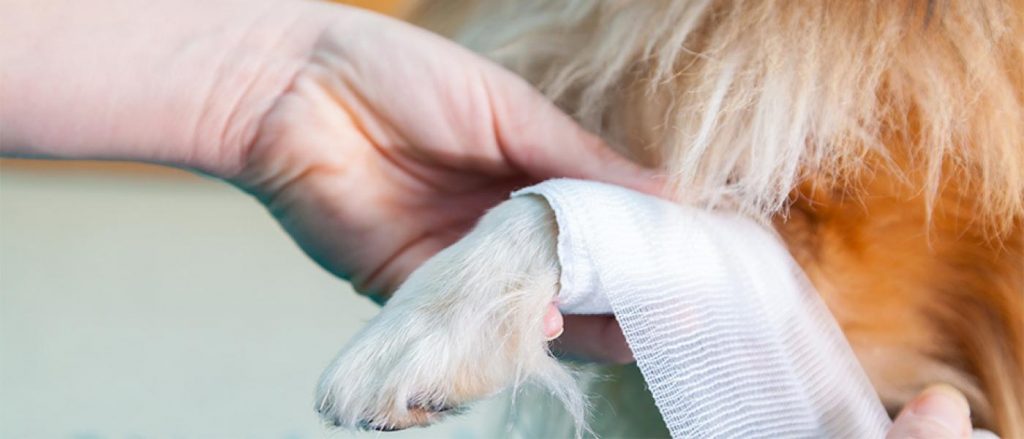
Self-sticking bandage (Available at some pet stores)
Gauze pads in case of bleeding
Antiseptic wipes
Hydrogen peroxide (in case you need to induce vomiting – best to do this under guidance of a veterinarian or other pet medical professional)
Sterile saline solution
Tweezers
Emergency blanket
Disposable gloves
Pet carrier
Thermometer
Petroleum Jelly
Syringe
Flashlight
Over the counter antibiotic ointment
Of course you should also have any specialty medications or items your vet recommends. Special needs pets may need different items.
Some veterinarians and shelters offer occasional pet first aid classes if you want to know more.
Around this time of year, we often start looking for ways to better ourselves: cutting out bad habits, adding healthier practices, and even adjusting our outlook on life. While the New Year rings in new resolutions for our own lives, the start of a fresh year is an opportunity to make some resolutions to better the lives of your pets as well. Luckily, what’s good for you is usually also good for your buddy, and with these suggestions, you’ll both be on the road to a longer life and a happier 2015.
Get Moving
When the clock strikes midnight on January first, sure there may be champagne celebrations and general merriment. But for many, this marks the occasion of the start of a new health or fitness regimen. OK, maybe it doesn’t start instantly, but there’s a reason that gym memberships are added in droves in January. The sad fact, though, is that by March, a good number of those folks have abandoned their good intentions. Studies (and logic) show that if you enjoy your means of exercise, you’re far more likely to engage in it regularly. So the real question is, what are your plans for movement this year, and how can you get your dog involved if he or she isn’t the most athletic pup?
Running and Walking: It’s the oldest (and least expensive) way to get moving, and it’s easy to incorporate Fido into the routine. All you need is a good pair of shoes and a sturdy leash, and you’re ready to roll. For maximum effect, pick up a pedometer to get an accurate snapshot of your progress, and set goals for yourself each week. The longest journey starts with a single step, and before you know it, you’ll have logged several miles. Be aware of your pet’s status throughout the route. Don’t expect a full sprint from a pooch who’s been dormant all winter, and know that some dogs may require footwear to protect delicate paws. It’s best to consider the weather when preparing for your run!
Pet-Friendly Yoga: Yes, this is a thing, (it’s actually called Dogya) and thanks to many pet-friendly communities, many yoga studios and community programs offer yoga for you and your canine companions. Of course they aren’t going to completely follow the routine, but it is called downward-facing dog for a reason–dogs love to stretch! If nothing else, this gives you a good stretch and strengthening time, while also inviting your buddy to a fun activity outside the house.
Swimming: One minute of swimming is equivalent to four minutes of running for dogs. In addition to it being good exercise, water movement provides excellent benefits for dogs with joint and mobility issues. And swimming is also great for you! Not only does this give quality time for and your pooch, but water itself has been proven time and time again to provide healing for the mood and spirit.
Hey! What’s in that Food?
You may have noticed new human health trends popping up which place a heavy focus on ingredients. Many people are equally interested in knowing that they are feeding their pets high-quality, healthy ingredients. Our bodies function based on how we nourish them, so it’s plain logic that the better ingredients you eat, the better your body will respond. The same can be true for our pets’ diets, and don’t you want the best for your whole family?
Live-Active Probiotics: A healthy intestinal tract and overall digestive system is imperative for good health, and this is true for both pets and people. Adding probiotics to our diets gives our systems an extra dose of the ‘good germs,’ which may help strengthen immunity.
Add your Omegas: Fat isn’t always a bad thing, especially when we’re talking about fatty acids, like Omega 3 and 6. These are essential to cellular function, and promote healthy skin and hair for both you and your pet.
Vitamins and Minerals: Remember as a kid taking a vitamin each day? Bring that habit back by making sure your food has the right vitamins and minerals. If it doesn’t add a supplement! In most cases, feeding your pet a high-quality, natural pet food will provide all of the essential vitamins and minerals they need. Certain pets may benefit from added supplements, but it’s always best to confirm with your veterinarian first.
Protein: High-protein diets promote health and wellness, adding energy and endurance. Check the ingredients on your grocery list to make sure you are eating enough lean meats, like fish and chicken, and do the same for your pet’s food.
Fruits and Veggies: An apple a day keeps the…well, you know. But it’s a truth that has stood the test of time. This year, make it a goal to increase your fruit and vegetable intake. Choose carrot sticks and apple slices over chips or candy, and in addition to giving your dog healthy treats, add some fresh foods. You’ll be surprised that your pets love the crunchy fun that cold veggies can provide—they won’t even know they’re eating healthier!
Read the Bag: This is true for your food and your pets. Always read the ingredients and research unfamiliar terms. Some will turn out to be scientific words for everyday ingredients, while others maybe preservatives, additives and fillers. Be informed!
Rest, Peace and General Life-Loving
Happy New Year to you, and to your pet! 2015 can be the year you refocus on your whole family’s health. Making even small changes can make all the difference in the healthfulness and longevity of your pets and loved ones. And at the end of each day, find time to spend together and rediscover the importance of rest, peace and a general sense of loving the life you live. That makes all the difference.
The technical storage or access is strictly necessary for the legitimate purpose of enabling the use of a specific service explicitly requested by the subscriber or user, or for the sole purpose of carrying out the transmission of a communication over an electronic communications network.
Preferences
The technical storage or access is necessary for the legitimate purpose of storing preferences that are not requested by the subscriber or user.
Statistics
The technical storage or access that is used exclusively for statistical purposes.The technical storage or access that is used exclusively for anonymous statistical purposes. Without a subpoena, voluntary compliance on the part of your Internet Service Provider, or additional records from a third party, information stored or retrieved for this purpose alone cannot usually be used to identify you.
Marketing
The technical storage or access is required to create user profiles to send advertising, or to track the user on a website or across several websites for similar marketing purposes.